Putin's Rejection of Western Peace Proposals
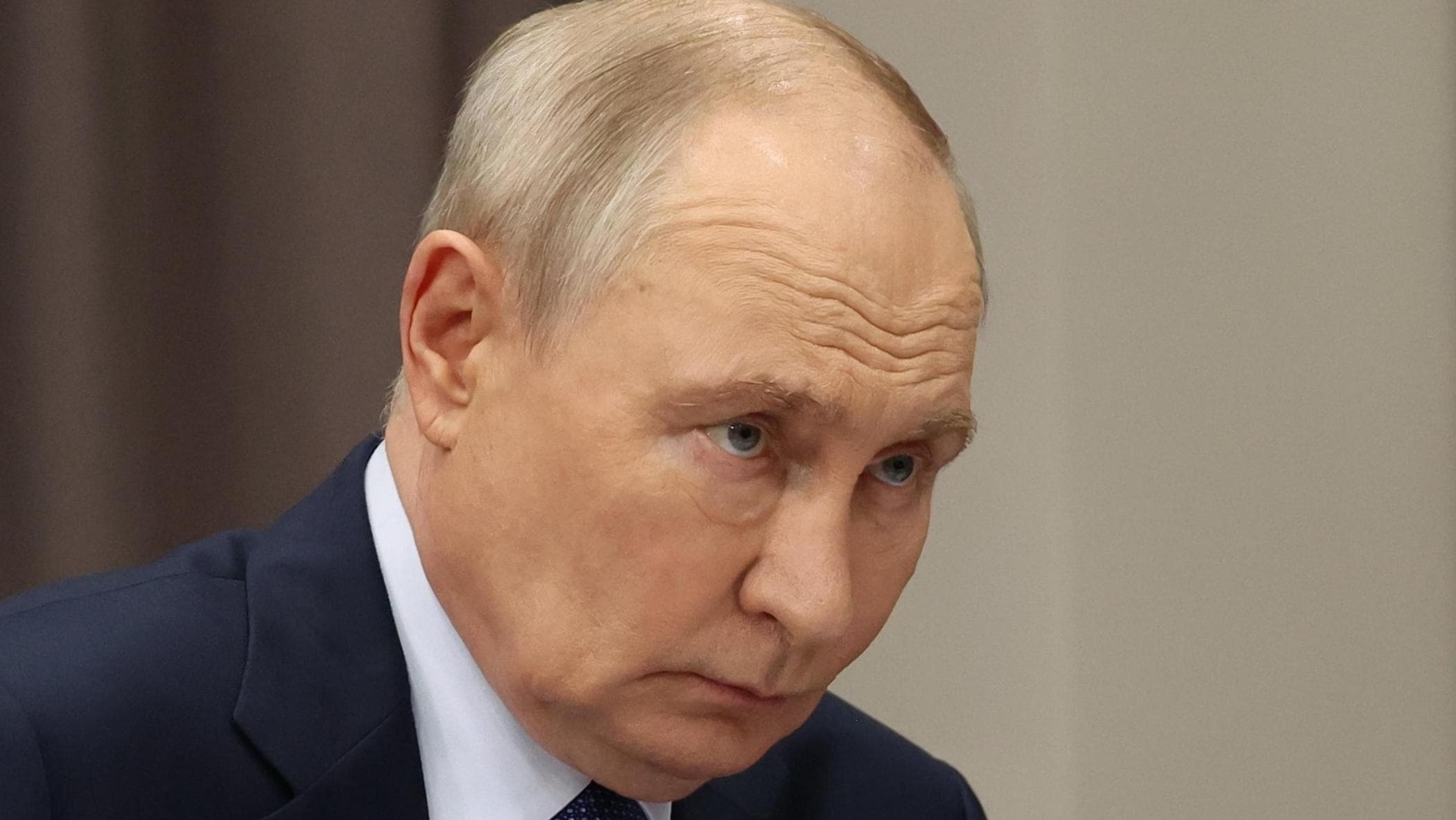
The narrative suggesting Moscow is a victim of European intransigence has gained traction, but this claim does not hold up under factual scrutiny. Russia, under President Vladimir Putin, has consistently rejected or undermined peace negotiations initiated by Western nations. Despite overtures from various international actors seeking a diplomatic resolution to ongoing conflicts, Russia's stance has remained largely unyielding. This persistent rejection of dialogue points to a strategic decision by the Kremlin, rather than a passive response to Western actions. The article implies that Russia's narrative of victimhood is a deliberate attempt to shape international perception, masking its own unwillingness to engage in good-faith negotiations. The factual record, according to the source, demonstrates a pattern of Russian obstructionism when faced with opportunities for peace.
The assertion that Russia is a victim of European intransigence warrants examination through the lens of geopolitical incentives and historical negotiation patterns. Evaluating Russia's consistent rejection of Western-backed peace proposals requires analyzing the Kremlin's strategic objectives, including territorial integrity claims and security guarantees. Understanding the divergence between Russia's public narrative and its actions in diplomatic forums is crucial for assessing future conflict resolution pathways. This situation highlights the complexities of international diplomacy, where stated positions can obscure underlying strategic calculations and power dynamics. The long-term implications for global stability depend on de-escalating rhetoric and fostering genuine dialogue, acknowledging the systemic challenges that perpetuate conflict.
AI-generated to prompt reflection — not editorial opinion, not advice, not a statement of fact. How this works.
