QT6 Brings Classic BASIC Programming Language to Web Browsers and Computers
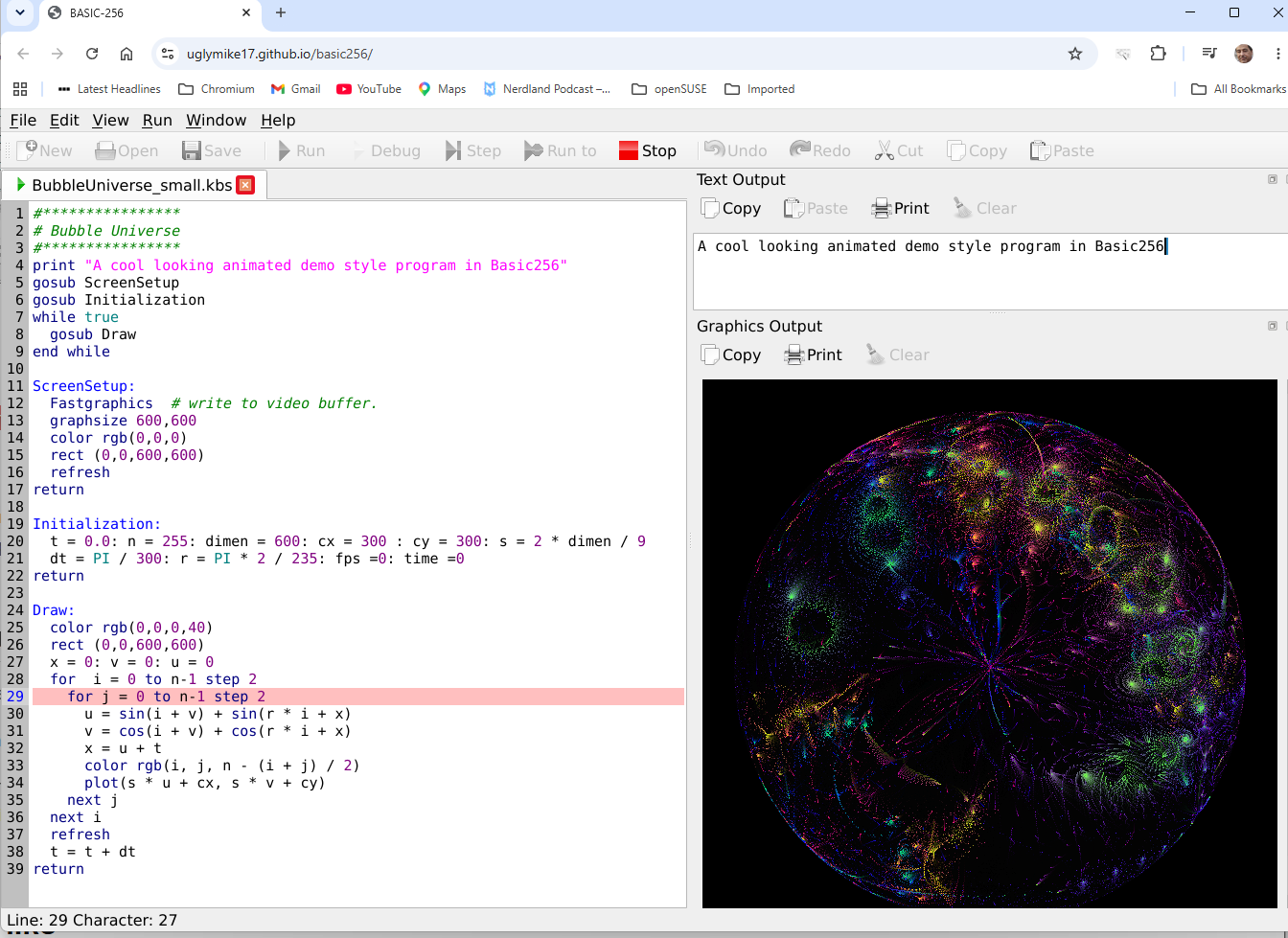
The QT6 framework has introduced a way to run the classic BASIC programming language directly within web browsers and on personal computers. BASIC, an educational programming language, was a foundational tool for many early computer users, often evoking strong opinions from those who used it. While its popularity has waned with the advent of more modern languages, QT6 aims to revive its accessibility. This development allows both new and experienced programmers to engage with BASIC's straightforward syntax and structure without complex setup. The integration means that users can now learn or experiment with BASIC directly through their web browser, potentially reaching a new generation of learners. It also offers a way for those who remember BASIC from their early computing days to revisit the language. The QT6 implementation ensures that the language's core principles are preserved while making it compatible with contemporary digital environments. This initiative could serve as an entry point into programming for individuals who find other languages more intimidating. The accessibility of BASIC through QT6 highlights a trend of revisiting and reintroducing foundational programming concepts in modern contexts.
The reintroduction of BASIC via QT6 taps into nostalgia and the enduring appeal of simple, accessible programming paradigms. This initiative could lower the barrier to entry for computational thinking, offering a less intimidating starting point than many contemporary languages. However, its long-term relevance will depend on how well it integrates with modern development workflows and whether it can foster skills transferable to current industry demands. The system's success may hinge on its ability to bridge the gap between foundational concepts and the complex ecosystems of today's software development, potentially serving as a gateway rather than a complete solution for aspiring developers in the AI era.
AI-generated to prompt reflection — not editorial opinion, not advice, not a statement of fact. How this works.