Quantum Computer Aids Identification of Nuclear Fusion Fuel Component
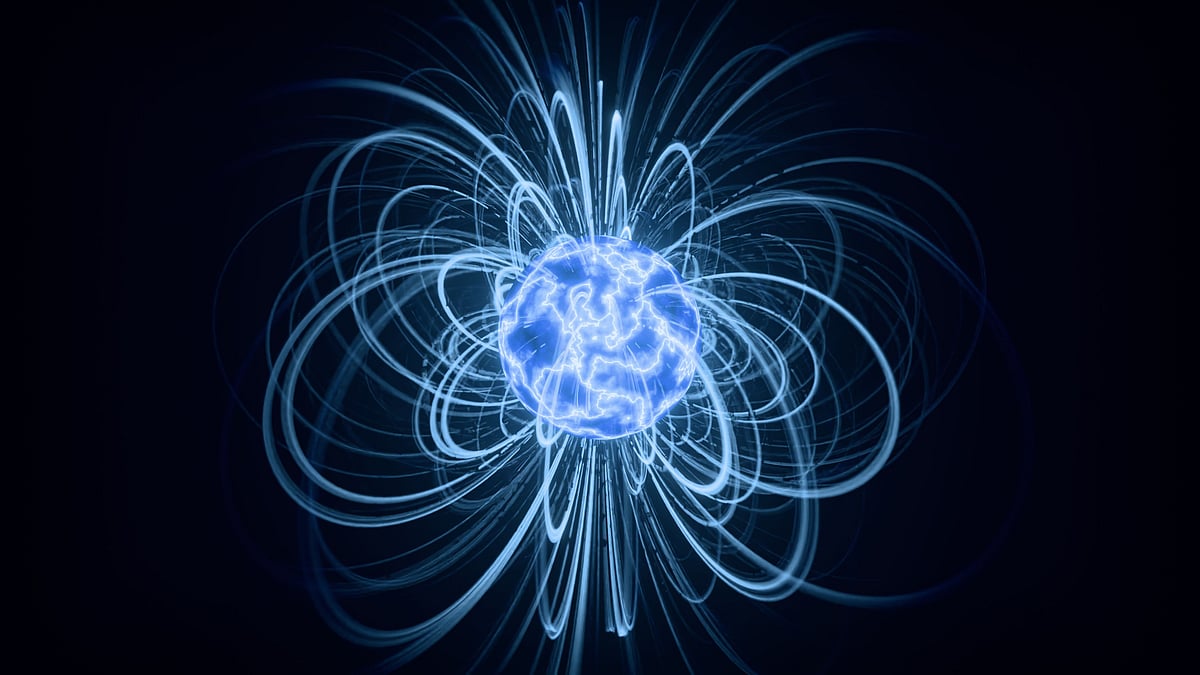
Researchers have utilized a quantum computer to identify a crucial component for nuclear fusion fuel. Nuclear fusion is the process by which stars in the universe produce light and energy over billions of years. This breakthrough marks a significant step in harnessing this powerful energy source on Earth. The quantum computer's advanced capabilities were instrumental in pinpointing the specific element or compound needed for efficient fusion reactions. This development could accelerate the quest for clean and virtually limitless energy. Further research will focus on scaling up this discovery for practical applications. The potential impact on global energy production and climate change mitigation is substantial. This advancement brings the prospect of fusion power closer to reality.
The application of quantum computing to identify components for nuclear fusion fuel represents a significant technological leap. By leveraging quantum mechanics, researchers can explore complex molecular interactions and material properties far beyond the reach of classical computers. This could dramatically shorten the development cycle for fusion energy, a process that mimics stellar energy generation. The long-term implications include a potential paradigm shift in global energy infrastructure, moving towards a cleaner and more sustainable power source. However, the practical implementation of quantum computing for such large-scale scientific endeavors still faces considerable engineering and scalability challenges. The focus will be on how this quantum advantage translates into tangible, cost-effective fusion reactor designs within the next decade.
AI-generated to prompt reflection — not editorial opinion, not advice, not a statement of fact. How this works.