Quarries Operate Despite UNESCO Ban in Montenegro's Protected Bay
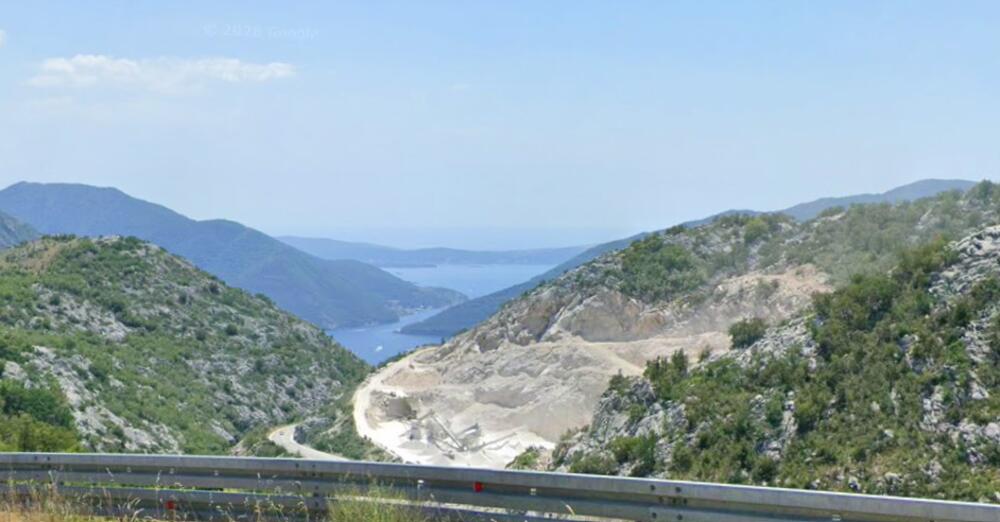
Three stone quarries – Ledenice, Krivošije, and Stupne – are operating within the protected zone of the Bay of Kotor, a UNESCO World Heritage site. This operation continues despite an existing ban by UNESCO. The situation highlights a significant conflict between different state bodies responsible for protecting the area. Two government agencies have provided contradictory responses regarding the quarries' activities. This divergence in official positions creates confusion and suggests a lack of unified enforcement. The core issue is that these state organs appear to be failing to protect the same designated space effectively. The ongoing quarrying activities raise concerns about the long-term preservation of the bay's natural and cultural heritage.
The continued operation of quarries within a UNESCO-protected zone, despite an explicit ban, points to a systemic governance challenge. This situation likely stems from conflicting economic incentives versus conservation mandates, potentially exacerbated by fragmented regulatory oversight among different state bodies. The divergent responses from two government agencies suggest a breakdown in coordinated policy implementation or differing interpretations of legal and environmental obligations. Looking ahead, the tension between resource extraction and heritage preservation in such sensitive areas will likely intensify as global demand for materials grows and the imperative for climate action and biodiversity protection becomes more urgent. Addressing this requires a clear, unified strategy that prioritizes long-term ecological and cultural integrity over short-term economic gains, potentially through revised legal frameworks or independent oversight mechanisms.
AI-generated to prompt reflection — not editorial opinion, not advice, not a statement of fact. How this works.