Queen Mole Rat's Scent Blocks Other Females' Fertility, Study Finds
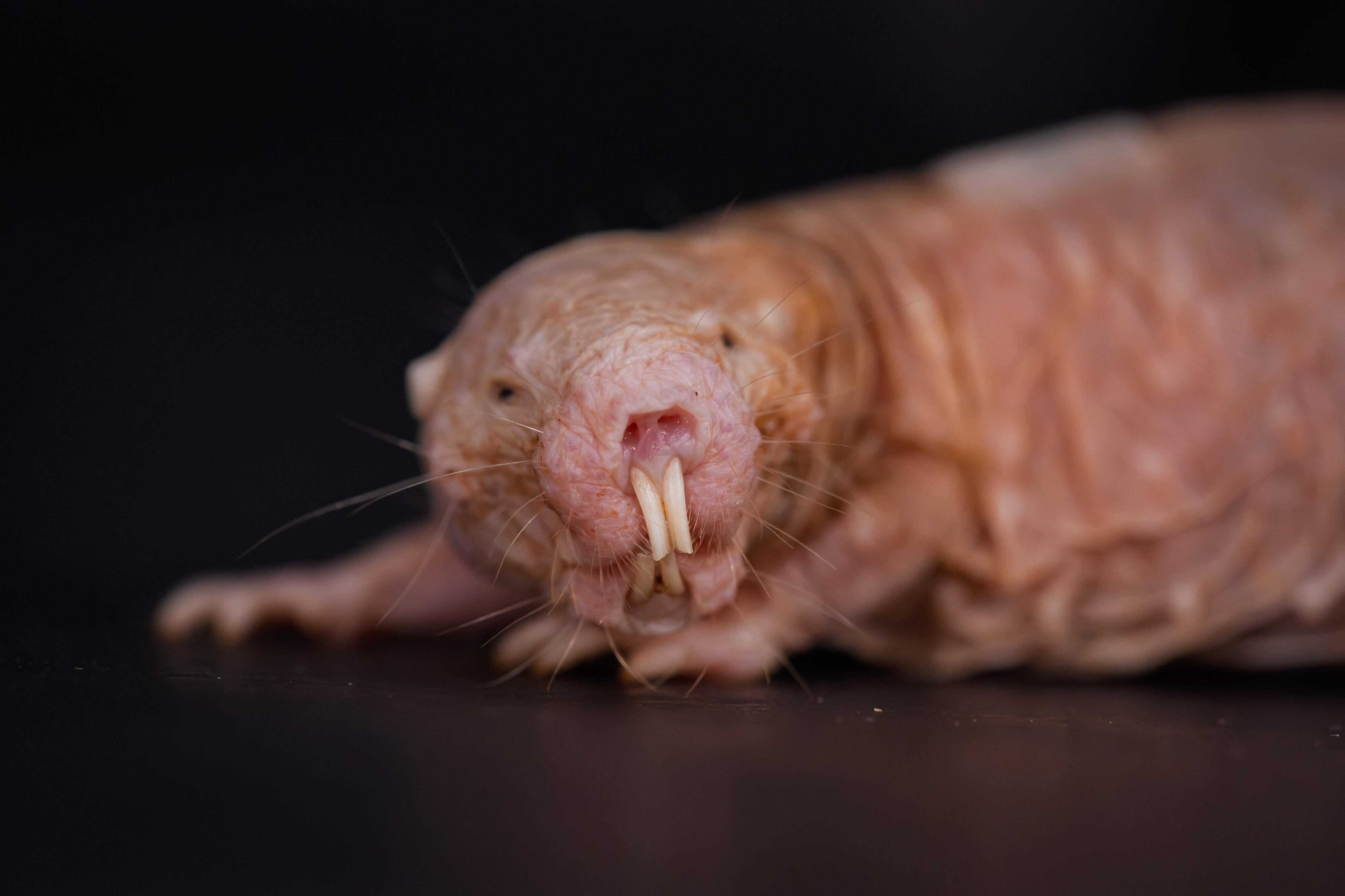
Scientists have identified the chemical signal used by the queen mole rat to maintain reproductive dominance over other females in her colony. This pheromone effectively blocks the fertility of subordinate females, ensuring that only the queen reproduces. The research pinpoints the specific molecule responsible for this remarkable biological control mechanism. This discovery sheds light on the complex social structures and reproductive strategies employed by these subterranean rodents. The queen's scent acts as a powerful signal, altering the hormonal balance of the colony and suppressing the reproductive cycles of other females. This ensures that resources are channeled towards the queen's offspring, maximizing the success of her lineage. The study highlights the sophisticated chemical communication systems that govern animal societies. Understanding these mechanisms can provide insights into reproductive biology and social behavior in mammals. Further research may explore the potential applications of such findings in areas like pest control or reproductive health.
This discovery reveals a sophisticated chemical mechanism for reproductive control within a social mammal, illustrating how a single individual can regulate the hormonal state and reproductive capacity of an entire group. The queen's pheromone functions as a biological lever, influencing the reproductive physiology of subordinate females through scent-based communication. This system highlights the evolutionary pressures that favor centralized reproduction in certain social structures, potentially optimizing resource allocation and genetic lineage success. Future research could explore the broader implications of such potent pheromonal control, examining its potential impact on social dynamics and the evolution of reproductive strategies in other species, as well as considering analogous mechanisms in human biology and endocrinology.
AI-generated to prompt reflection — not editorial opinion, not advice, not a statement of fact. How this works.