Queen Mole-Rat's Scent Suppresses Reproduction in Colony Females
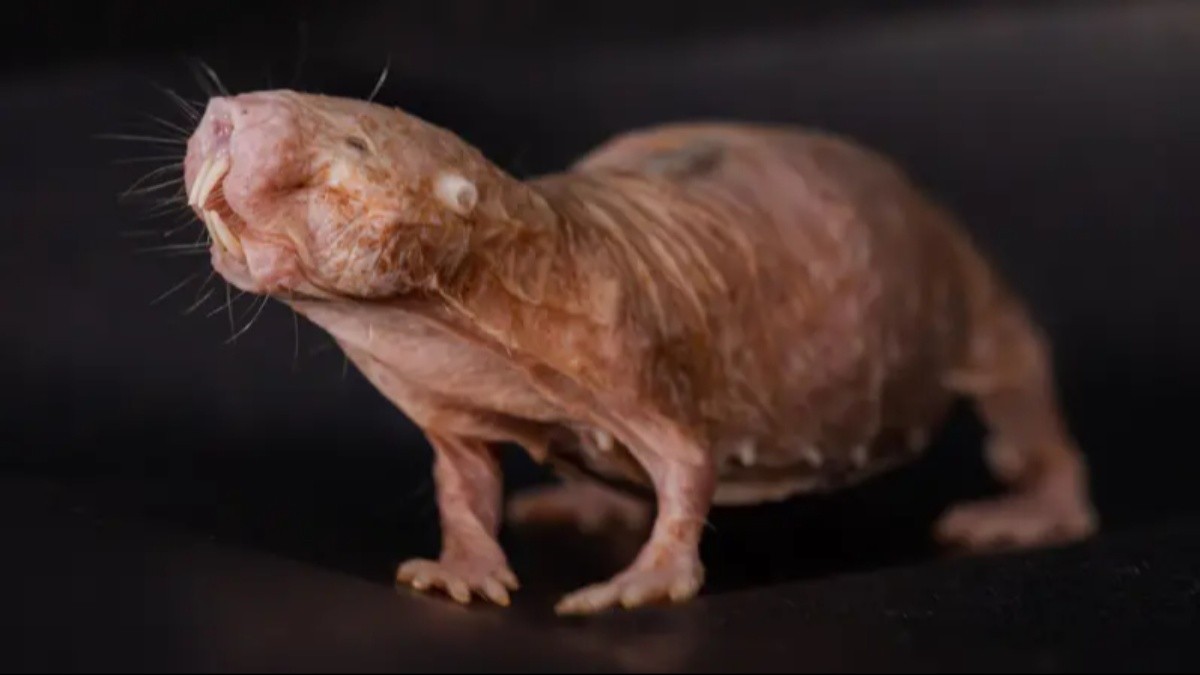
A new study reveals that naked mole-rats, a eusocial mammal native to Africa, utilize a unique chemical method to ensure only the queen reproduces. Scientists discovered that the queen produces a compound called isopropyl myristate, which effectively acts as a 'super-contraceptive' for other females in the colony. This scent alters hormone levels, specifically reducing fertility by impacting prolactin and progesterone. Previous theories suggested the queen's dominance was purely physical, but this research, led by Mohammed Khallaf and Professor Gary Lewin of the Max Delbrück Center for Molecular Medicine, highlights the crucial role of olfaction.
Experiments demonstrated that female mole-rats exposed to isopropyl myristate avoided it and remained infertile, while those isolated from the scent quickly became sexually active and conceived. The chemical is also vital for maintaining colony order; its absence leads to aggression and competition among females to become the new queen. The queen actively distributes this compound throughout the extensive burrow systems, ensuring all colony members are exposed. This chemical cue not only suppresses reproduction but also prevents violence, reinforcing the colony's social cohesion and cooperative survival strategies in their harsh desert environment.
This study elucidates a sophisticated biological mechanism for maintaining social hierarchy and reproductive control within a eusocial species. The discovery of isopropyl myristate as a chemical suppressor of reproduction offers a compelling example of how pheromonal communication can enforce complex social structures, moving beyond simple dominance displays. From a systems perspective, this chemical regulation appears highly efficient, minimizing energy expenditure on non-productive individuals and ensuring focused resource allocation towards the queen's offspring. This strategy, while effective for the naked mole-rat's survival in resource-scarce environments, raises questions about evolutionary trade-offs. The reliance on a single chemical cue for colony cohesion and reproductive suppression highlights a potential vulnerability. Future research could explore the long-term adaptability of such a system in the face of environmental changes or novel selective pressures, and how similar principles of chemical communication might be observed or even mimicked in other social systems or technological applications.
AI-generated to prompt reflection — not editorial opinion, not advice, not a statement of fact. How this works.
