Queensland and NT Reject Federal Mandate for Renewable Energy in AI Data Centers
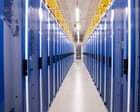
Queensland and the Northern Territory have rebuffed the Australian federal government's proposal to require artificial intelligence data centers to utilize renewable energy sources. Both states criticized the plan, put forth by Prime Minister Anthony Albanese's administration, as "underdeveloped ideas that hand increased power to Canberra." This disagreement highlights a growing tension between federal and state authorities regarding the regulation of the rapidly expanding technology sector. The dispute occurs against a backdrop of warnings from S&P Global, a prominent economic rating agency. S&P Global forecasts that data center electricity consumption in Australia could quintuple by 2035, reaching 10% of the nation's total energy usage. The agency also cautioned that a potential misalignment between the construction schedules of new data centers and the development of renewable energy projects could lead to significant increases in electricity costs for consumers.
The divergence between federal ambitions and state-level resistance on renewable energy mandates for data centers reflects a classic federalism challenge. While the federal government aims to steer technological growth towards sustainability, states prioritize their autonomy and immediate economic considerations. The S&P Global warning about escalating power demand and potential bill shock underscores the critical need for integrated energy planning. Future energy policy must balance the rapid growth of AI infrastructure with the imperative of decarbonization, considering the long lead times for both renewable projects and grid upgrades. This situation highlights the systemic tension between fostering innovation and ensuring energy security and affordability in the coming decade.
AI-generated to prompt reflection — not editorial opinion, not advice, not a statement of fact. How this works.