Queensland Deputy Premier Dismisses Domestic Violence Expert's Concerns
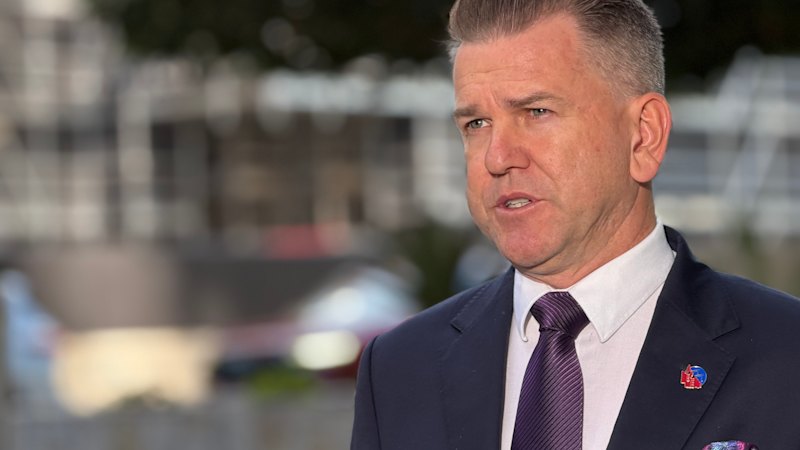
Queensland's Deputy Premier has downplayed concerns raised by a prominent domestic violence prevention advocate regarding the LNP government's handling of significant aspects of her work. The advocate had questioned the LNP's approach to key components of her landmark initiatives. In response to these concerns, the Deputy Premier suggested that the taskforce chair involved in the work had collaborated with the Labor party more enthusiastically. This statement implies a potential political motivation behind the advocate's criticisms. The exchange highlights ongoing tensions surrounding domestic violence policy implementation and the perceived political allegiances within related taskforces.
This situation highlights the intersection of policy implementation and political dynamics. The Deputy Premier's response, framing the advocate's concerns through the lens of the taskforce chair's past political affiliations, shifts the focus from the substantive policy issues to political maneuvering. Such framing can serve to deflect criticism by suggesting partisan bias rather than addressing the merits of the advocate's points. Moving forward, ensuring that policy development and implementation remain insulated from partisan accusations is crucial for maintaining public trust and effectively addressing complex social issues like domestic violence. The long-term effectiveness of such initiatives depends on collaborative efforts and objective evaluation, rather than political expediency.
AI-generated to prompt reflection — not editorial opinion, not advice, not a statement of fact. How this works.