Queensland Government Suppressed Police Domestic Violence Report from Victim Advocates
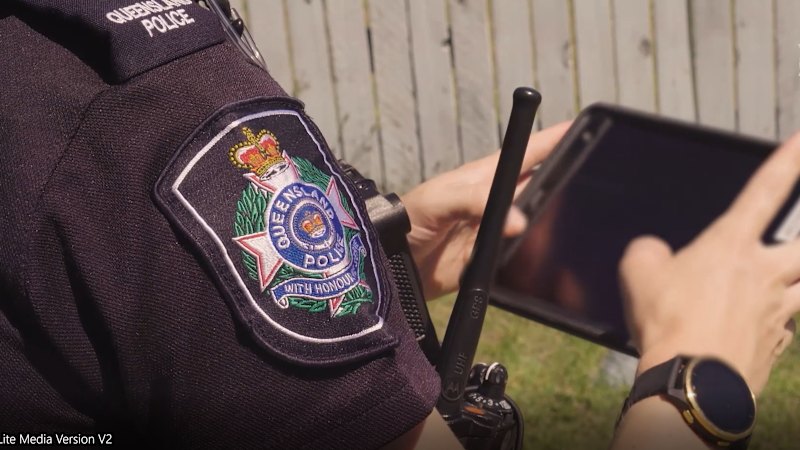
A report commissioned by the Queensland government, compiled by a working group of victim-survivors, has been kept from public view. This report specifically criticized the Queensland Police Service's handling of domestic violence cases. The government's decision to withhold the report has drawn criticism, as it was intended to provide recommendations for improving police responses and support for victims. The working group was established to ensure that the voices and experiences of those affected by domestic violence were directly informing policy and practice. The suppression of their findings raises concerns about transparency and accountability within the state's approach to addressing domestic violence. It is unclear at this stage what specific recommendations were made in the report or the exact reasons for its non-release. However, the fact that it targeted police complaints suggests significant issues were identified. The situation highlights a potential disconnect between the government's stated commitment to supporting victims and its actions in making their feedback publicly accessible. Further details regarding the report's content and the government's rationale for its suppression are awaited.
The withholding of a report detailing police performance in domestic violence cases, compiled by victim-survivors, presents a governance challenge. Transparency in such sensitive areas is crucial for building public trust and enabling effective policy reform. The situation raises questions about institutional incentives that may prioritize reputation management over the public's right to information and the potential for systemic improvements. Examining the report's findings, even if delayed, could illuminate critical areas for enhancing police training, investigative protocols, and victim support services, ultimately contributing to a more robust societal response to domestic violence in the coming decade.
AI-generated to prompt reflection — not editorial opinion, not advice, not a statement of fact. How this works.