Queensland Prisons Struggle with High Reoffending Rates, Failing Rehabilitation
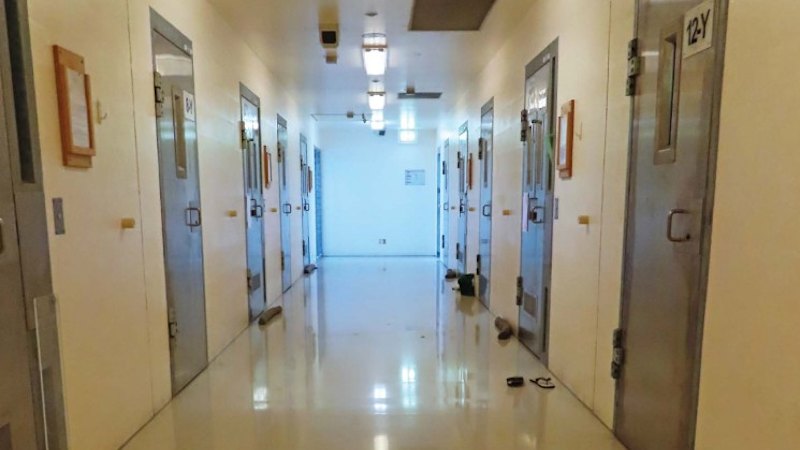
Nearly half of individuals released from Queensland prisons are returning to incarceration, indicating a significant failure in the state's rehabilitation and reintegration programs. The number of incarcerated people in Queensland has seen a substantial increase, placing immense pressure on the correctional system. This trend suggests that current strategies are not effectively preparing prisoners for successful reentry into society, leading to a cycle of recidivism. The high rate of reoffending points to systemic issues within the prison system, potentially related to the availability and quality of educational, vocational, and therapeutic services offered to inmates. Furthermore, the lack of adequate support networks and opportunities post-release likely contributes to the problem. Addressing this challenge requires a comprehensive review and overhaul of Queensland's correctional policies and practices to ensure that prisoners receive the necessary tools and support to reduce their likelihood of returning to prison.
The high recidivism rate in Queensland's correctional facilities suggests a systemic challenge in effectively rehabilitating and reintegrating individuals into society. This outcome may stem from underfunded or inadequately designed programs, insufficient post-release support structures, or broader societal factors that limit opportunities for ex-offenders. From a long-term perspective, a persistent cycle of incarceration represents a significant economic and social cost. Future policy considerations could involve investing in evidence-based rehabilitation models, strengthening community partnerships for employment and housing, and addressing root causes of crime. Evaluating the efficacy of current interventions against evolving societal needs and technological advancements will be crucial for developing more sustainable and humane correctional outcomes over the next decade.
AI-generated to prompt reflection — not editorial opinion, not advice, not a statement of fact. How this works.