Quequén Port Handles Record Grain Tonnage, Diversifies into Hydrocarbons
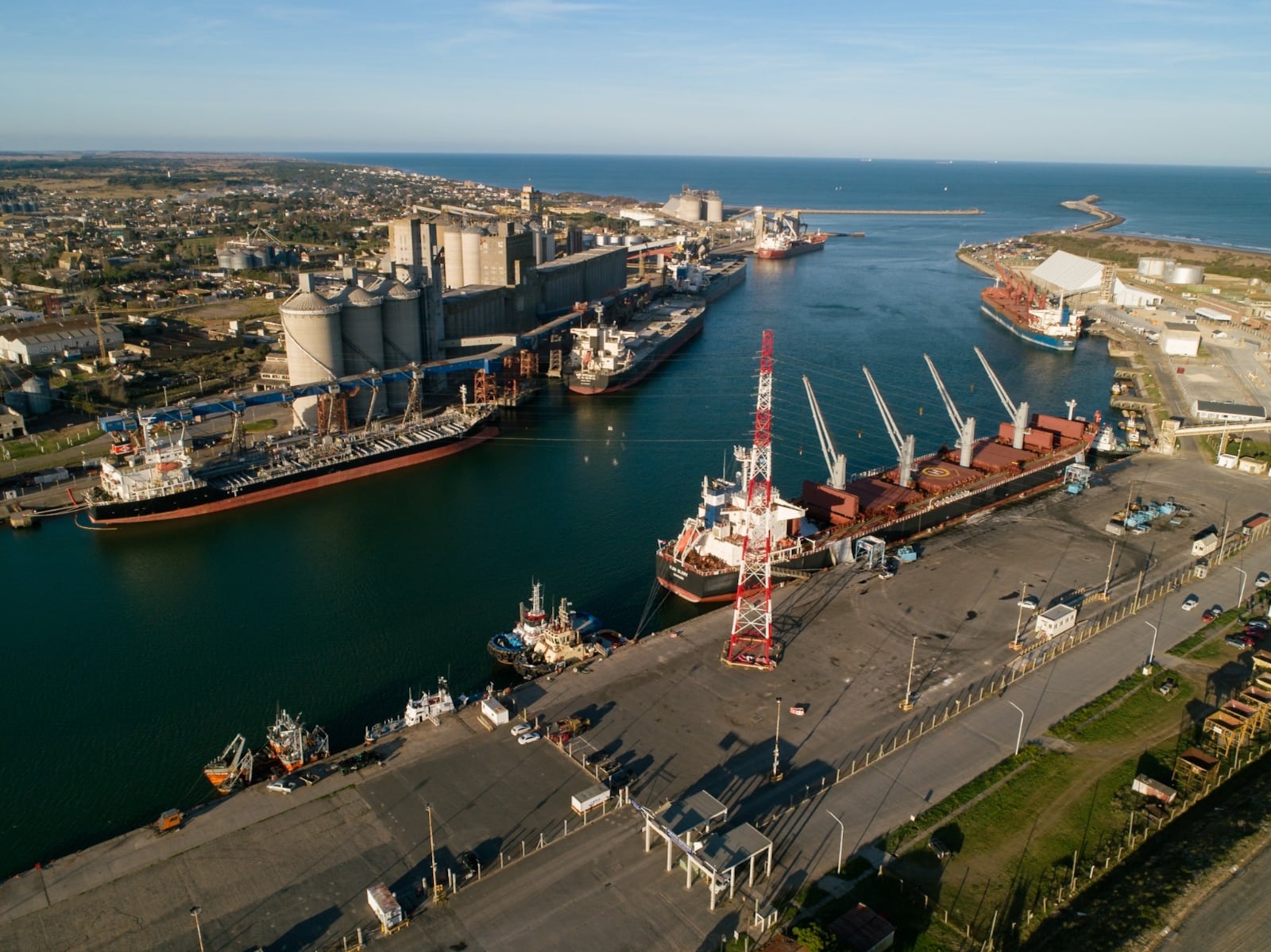
The Port of Quequén has experienced a significant surge in activity, with 154 vessels passing through in the first half of the year. During this period, the terminal successfully mobilized over 3.7 million tons of grain. This impressive volume was largely driven by an increase in cereals and oilseeds, which helped to offset a decline observed in the soybean complex. Notably, the port is also expanding its operations to include services related to the hydrocarbon sector, signaling a strategic diversification. This move aligns with the growing importance of Vaca Muerta, a major shale formation in Argentina, for energy production. The port's increased capacity and new service offerings position it to handle a wider range of cargo, supporting both agricultural exports and the burgeoning energy industry.
The Port of Quequén's record grain throughput and strategic pivot towards hydrocarbon services highlight evolving economic priorities in Argentina. This diversification reflects a broader national effort to leverage resource wealth, particularly from regions like Vaca Muerta, to bolster export revenues and energy security. The port's success in managing increased agricultural volumes while integrating new energy-related logistics suggests a capacity for adaptive infrastructure development. Looking ahead, the interplay between agricultural cycles and energy market fluctuations will be a key dynamic. The port's ability to balance these distinct demands, manage potential environmental impacts, and attract consistent investment will determine its long-term resilience and contribution to national economic strategy in the coming decade.
AI-generated to prompt reflection — not editorial opinion, not advice, not a statement of fact. How this works.