Questionable ¥300 Million Figure for One Day of Japanese Parliament Sessions
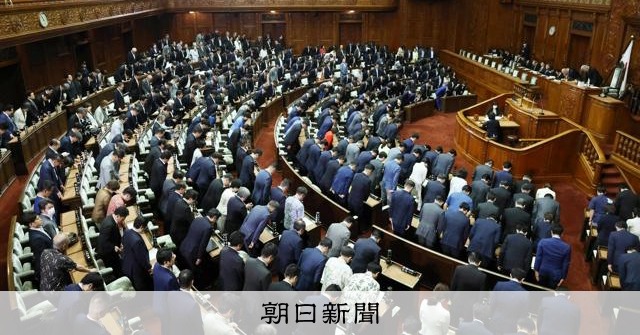
A widely cited figure suggesting that one day of National Diet sessions costs ¥300 million is based on shaky grounds, according to a recent analysis. This number has become a tool in political disputes, used by various factions to criticize opponents. The original calculation, which has been repeated without thorough verification, lacks a clear and transparent methodology. Critics argue that this figure is an oversimplification and potentially misleading, obscuring the complex realities of parliamentary operations. The debate highlights a broader issue of how data is used and disseminated in political discourse in Japan. Without a solid foundation, the ¥300 million figure serves more as a rhetorical weapon than an accurate representation of parliamentary expenditure. The lack of verifiable data allows for its easy manipulation in public arguments. This situation underscores the need for greater transparency and accuracy in reporting the costs associated with governmental functions. The continuous use of this unsubstantiated claim fuels unproductive political arguments and distracts from substantive policy discussions. Therefore, a re-evaluation of the actual costs and a clear explanation of the methodology are crucial for informed public debate.
The recurring use of the ¥300 million figure for a single day of parliamentary sessions, despite its questionable origins, illustrates how unsubstantiated data can become entrenched in public discourse. This phenomenon often arises from a combination of political incentives to simplify complex issues for rhetorical advantage and a lack of rigorous fact-checking by media and the public. In the context of Japan's political landscape, such figures can be leveraged to frame opponents as fiscally irresponsible, thereby influencing public perception without necessarily reflecting the true economic impact of legislative activities. Moving forward, fostering a culture of data verification and demanding transparent methodologies for cost assessments will be critical. This not only strengthens the integrity of political debate but also empowers citizens to make more informed judgments about governance and resource allocation, particularly as AI-driven analysis tools become more prevalent and capable of scrutinizing such claims.
AI-generated to prompt reflection — not editorial opinion, not advice, not a statement of fact. How this works.