Questions Arise Over Conditions for Ending Sonam Wangchuk's Hunger Strike
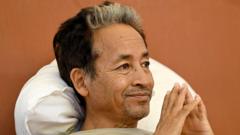
Activist Sonam Wangchuk is currently hospitalized at Safdarjung Hospital, where his hunger strike continues. Wangchuk has stated that he will end his protest if his conditions are met. The specific terms of his demands have not been publicly detailed, leading to questions and speculation regarding their nature and feasibility. Wangchuk, known for his environmental activism and educational reforms in Ladakh, began his hunger strike to advocate for the region's constitutional rights and protection. His protest highlights concerns about the impact of industrial development on the fragile Himalayan ecosystem and the cultural identity of the local population. The ongoing strike has garnered significant attention, with supporters urging the government to address his demands promptly. However, the lack of clarity surrounding the conditions for ending the strike has created uncertainty about the potential resolution of the protest. Further details are awaited regarding the government's response and the specific nature of Wangchuk's demands.
The situation surrounding Sonam Wangchuk's hunger strike raises questions about the efficacy of protest as a means of political negotiation, particularly when demands are not fully articulated publicly. This dynamic can create challenges in garnering broad support and in facilitating a clear resolution between the activist and governing bodies. From a systems perspective, the tension between rapid development and environmental/cultural preservation in ecologically sensitive regions like Ladakh is a recurring global challenge. Future governance models may need to incorporate more robust mechanisms for stakeholder consensus and long-term sustainability planning to preempt such conflicts. The current impasse underscores the need for transparent communication and clearly defined, achievable objectives in advocacy efforts to foster constructive dialogue and effective policy outcomes.
AI-generated to prompt reflection — not editorial opinion, not advice, not a statement of fact. How this works.