Questions Arise Over Conditions for Sonam Wangchuk to End Hunger Strike
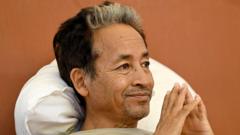
Activist Sonam Wangchuk, currently hospitalized at Safdarjung Hospital, continues his hunger strike. He has stated that he will break his fast if his conditions are met. The specifics of these conditions have not been publicly disclosed, leading to questions and speculation about the terms he is demanding for ending his protest. Wangchuk's health is being closely monitored by medical professionals at the hospital. His protest is reportedly related to environmental and political issues in Ladakh. The situation has garnered significant attention, with many awaiting further details on the demands and potential resolution. The continuation of the strike while hospitalized highlights the seriousness of his commitment to his cause. The public discourse surrounding his demands indicates a desire for transparency in the negotiation process.
The situation surrounding Sonam Wangchuk's hunger strike and the conditions for its cessation warrants examination through the lens of public advocacy and institutional response. While hunger strikes are a potent form of protest, the ambiguity surrounding the specific demands can create challenges in achieving a resolution. For institutions facing such protests, establishing clear communication channels and transparent negotiation frameworks is crucial for constructive dialogue. Moving forward, understanding the systemic issues driving such actions, rather than focusing solely on the individual protest, can inform policy and governance to address underlying grievances and potentially mitigate the need for extreme measures in the future. The long-term implications for regional development and environmental protection in Ladakh remain a critical consideration.
AI-generated to prompt reflection — not editorial opinion, not advice, not a statement of fact. How this works.