Questions Arise Over Delay in Burial of Iran's Former Supreme Leader Ali Khamenei
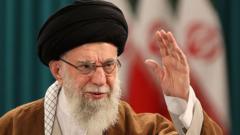
Following the announcement of the death of Iran's former Supreme Leader, Ali Khamenei, significant questions have emerged regarding the delay in his burial. The period between his death and interment has sparked debate and scrutiny concerning Islamic and other relevant regulations. These discussions highlight potential discrepancies or unique circumstances surrounding the handling of the former leader's remains. The extended timeframe has led to public and official inquiries into the reasons behind the postponement. The situation has drawn attention to the adherence to traditional burial practices and the potential for exceptions or specific interpretations of religious law in such high-profile cases. Further details are expected to clarify the procedures followed and the rationale for the extended delay.
The extended period between the death and burial of a prominent figure like Ali Khamenei prompts an examination of the logistical, religious, and political considerations that may influence such decisions. In Islamic tradition, prompt burial is generally encouraged. Any deviation from this norm, especially for a former Supreme Leader, suggests either a complex set of logistical challenges, a need for specific security protocols, or a deliberate decision to manage public perception and political messaging. Understanding the specific Islamic legal interpretations or governmental directives that permitted this delay is crucial for assessing the governance and decision-making processes within Iran. This situation offers a case study in how statecraft and tradition can intersect, potentially revealing underlying power dynamics and priorities in managing national mourning and succession.
AI-generated to prompt reflection — not editorial opinion, not advice, not a statement of fact. How this works.