Questions linger over snack vendor's death during Salvador police operation
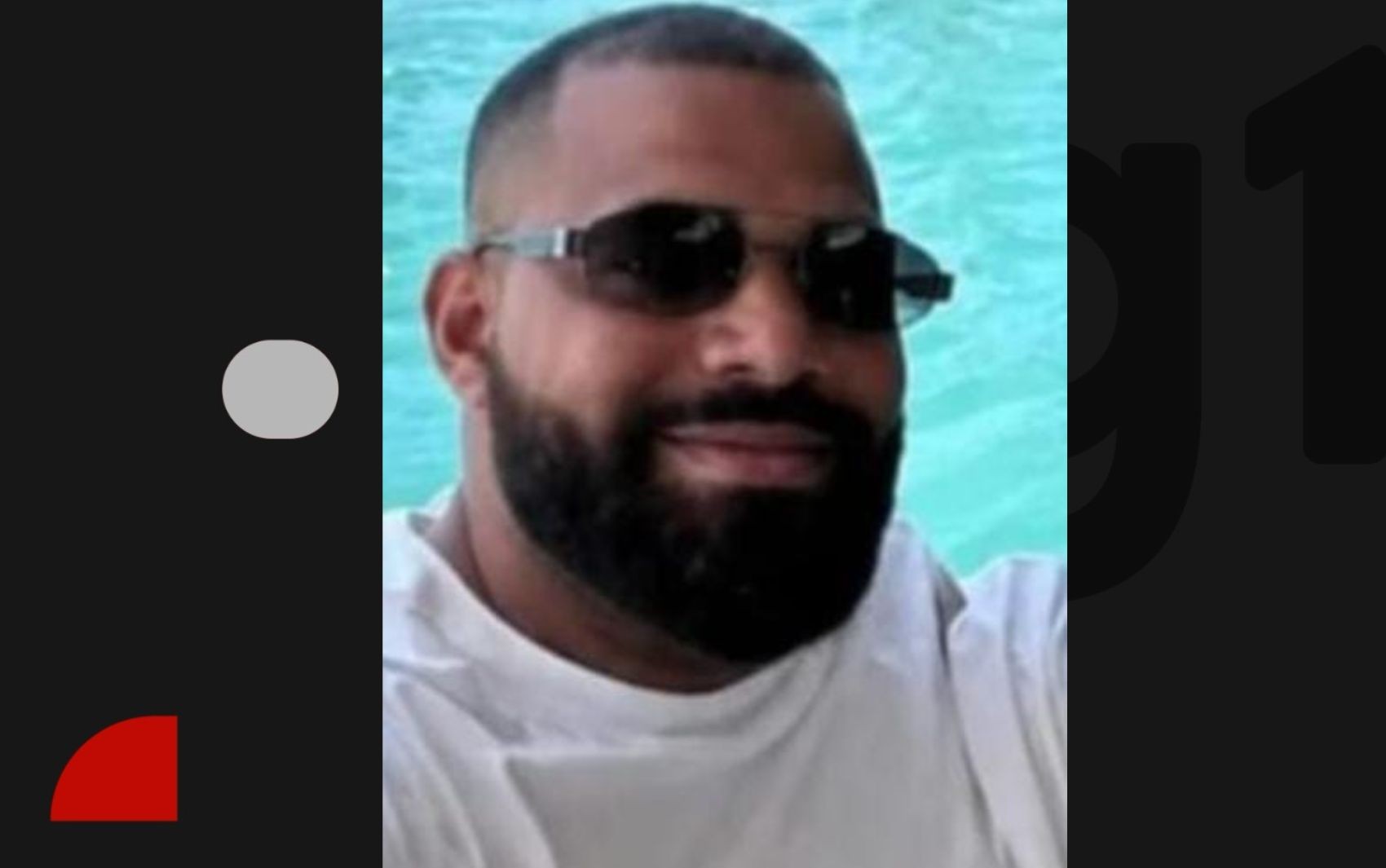
The death of 33-year-old snack vendor Leonardo Gil Lima, known as "Léo Lanches," during a Military Police operation in Salvador, Brazil, remains under investigation with significant unanswered questions. While the police claim Lima was found injured after a shootout with suspects, his family and neighbors assert he was shot by an officer in front of his home shortly after returning from work on Thursday, November 23rd. The Civil Police and the Military Police's Internal Affairs division are investigating the incident. The officers involved have been removed from operational duties, and body camera footage is being reviewed.
A key point of contention is whether a shootout actually occurred at the scene. The Military Police stated their officers encountered armed individuals who fired upon them, leading to a response, after which Lima was discovered wounded. Conversely, witnesses maintain there was no confrontation and that Lima was shot as he arrived home. The origin of the fatal shot, which family members say struck Lima in the head, is also undetermined pending forensic analysis.
Authorities confirmed that the involved officers were wearing body cameras, and the footage will be provided to investigators. However, the videos have not yet been released. Testimonies from neighbors and friends contradict the police's account, with one neighbor stating Lima fell beside his motorcycle immediately after being shot, and a friend reporting hearing the gunshots during a phone call with Lima just before his death. The timeline for the investigation's conclusion is also unclear, with no set deadline for the completion of the inquiries by the Civil Police and the Internal Affairs division. The Secretary of Public Security of Bahia expressed solidarity with Lima's family and friends, assuring that thorough investigations are underway.
The conflicting accounts surrounding Leonardo Gil Lima's death highlight systemic challenges in police accountability and transparency. The divergence between the official police narrative and eyewitness testimonies underscores the critical importance of independent verification, particularly through readily available body camera footage. The delay in releasing this evidence, coupled with the absence of a clear investigative timeline, can erode public trust and fuel perceptions of a cover-up, irrespective of the actual findings. Moving forward, establishing standardized protocols for immediate evidence preservation and public disclosure, alongside robust independent oversight mechanisms, is crucial for ensuring that such incidents are resolved equitably and contribute to improved community-police relations in the long term. The incident also points to the need for clear de-escalation training and protocols to minimize the risk of civilian casualties during law enforcement operations.
AI-generated to prompt reflection — not editorial opinion, not advice, not a statement of fact. How this works.