Quetta Coal Mine Tragedy: All 34 Miners Recovered After Deadly Explosion
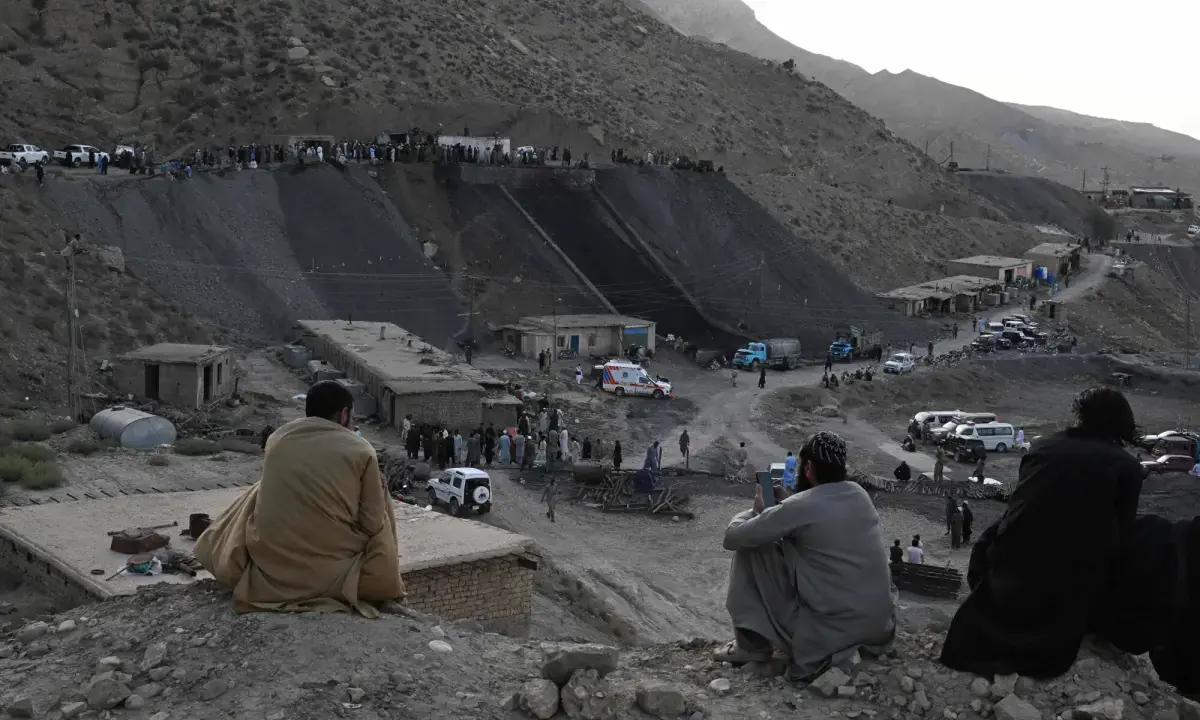
The search and rescue operation for miners trapped after a methane gas explosion in a coal mine near Quetta, Pakistan, has concluded with the recovery of the final two bodies on Saturday. The incident occurred on Thursday at a private mine in the Sorange coalfield, approximately 30 kilometers northeast of Quetta. The explosion triggered a fire, caused a mine collapse, and affected an adjacent mine. According to Muhammad Atif, Balochistan's Chief Inspector of Mines, all 34 miners who were trapped have been recovered, with the last two found after extensive efforts. Thirty-two bodies had been recovered on Friday. Both affected mines have been sealed, and an official investigation into the tragedy has been launched, involving a team of mining experts. All the deceased miners were from the Shangla district of Khyber Pakhtunkhwa, and their remains have been sent to their home villages. Notably, 23 miners hailed from Pirabad, a village that has become a focal point for repeated coal mine disasters. The victims, aged between 17 and 25, were often close relatives, with some being orphans whose fathers had also died in previous mining accidents. Of the 34 miners, 24 were working in the mine where the initial explosion occurred, approximately 4,000 feet underground, while the others were in a nearby mine. Fatal mine explosions are a recurring issue in Balochistan, frequently attributed to a lack of essential safety protocols. Coal mining inherently carries significant risks, including suffocation, gas poisoning, collapses, and severe respiratory diseases like black lung disease.
This tragic incident underscores systemic vulnerabilities within Pakistan's mining sector, particularly in Balochistan. The repeated loss of life, often involving young workers from specific regions like Shangla's Pirabad, points to persistent failures in enforcing safety regulations and providing adequate protective measures. The economic pressures driving mining operations, especially in regions with limited alternative employment, create incentive structures that may prioritize output over worker well-being. Future-oriented governance should focus on robust regulatory oversight, mandatory safety training, and the implementation of modern mining technologies to mitigate risks. Addressing the root causes, including poverty and lack of oversight, is crucial to prevent future recurrences and ensure the dignity and safety of all workers in hazardous industries.
AI-generated to prompt reflection — not editorial opinion, not advice, not a statement of fact. How this works.