Quetta Sit-in Ends After 10 Days Following Agreement with Balochistan Government
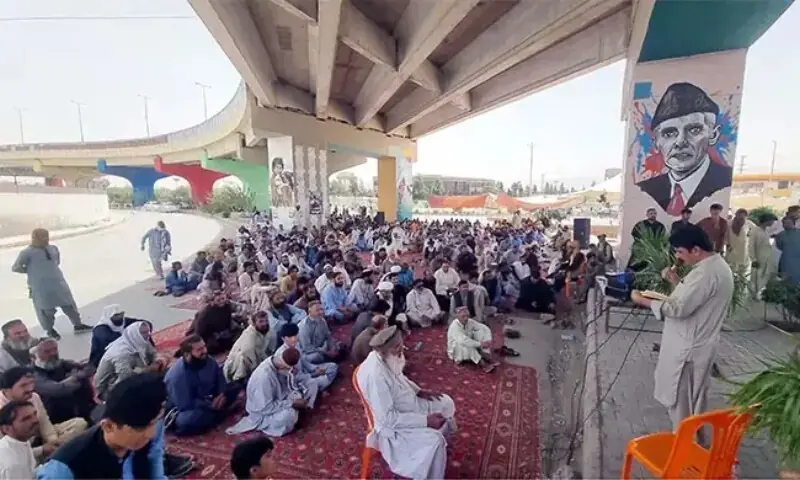
Families of 27 police officers martyred in a terrorist attack in Ziarat on July 6 ended their 10-day sit-in protest in Quetta on Saturday. The protest, which began on July 9 at Koila Phatak, involved families holding the bodies of their loved ones. An agreement was reached late Friday night between the protesting families and the Balochistan government, leading to the immediate cessation of the demonstration and the reopening of Koila Phatak to traffic. The provincial government agreed to all demands, primarily the establishment of a judicial commission to investigate the Ziarat and Hanna Urak incidents. These attacks resulted in the deaths of 32 police officers and civilians, with 11 individuals abducted in the Hanna Urak incident on July 5. The Ziarat attack on July 6 saw 27 police personnel killed, with 18 murdered after being kidnapped. Security forces conducted Operation Shaban, reportedly killing 91 terrorists. The agreement, signed by Home Minister Ziaullah Langove and PkMAP Secretary General Abdul Rahim Ziaratwal, includes renaming Koila Phatak Chowk to Shuhada-i-Ziarat Chowk and renaming various government buildings, police stations, educational institutions, and healthcare facilities in Ziarat after the martyred officers. Chief Minister Sarfraz Bugti affirmed the government's commitment to implementing the agreement and honoring the sacrifices of the fallen officers.
The resolution of the Quetta sit-in highlights the significant leverage that bereaved families can exert through sustained public protest, particularly when coupled with the symbolic weight of martyrs' bodies. The government's concessions, including renaming public institutions and establishing a judicial commission, represent a strategic response to manage public sentiment and fulfill demands for accountability and remembrance. This event underscores the complex interplay between security challenges, governance, and public pressure in regions affected by terrorism. Moving forward, the effectiveness of the judicial commission in providing closure and the long-term impact of institutional renaming will be critical indicators of the agreement's success in fostering lasting peace and trust. The government's commitment to honoring sacrifices may serve as a deterrent against future attacks by demonstrating the state's recognition of its personnel's ultimate sacrifice.
AI-generated to prompt reflection — not editorial opinion, not advice, not a statement of fact. How this works.