Quetta Sit-in Ends After Abducted Tribesmen Released; Police Families Continue Protest
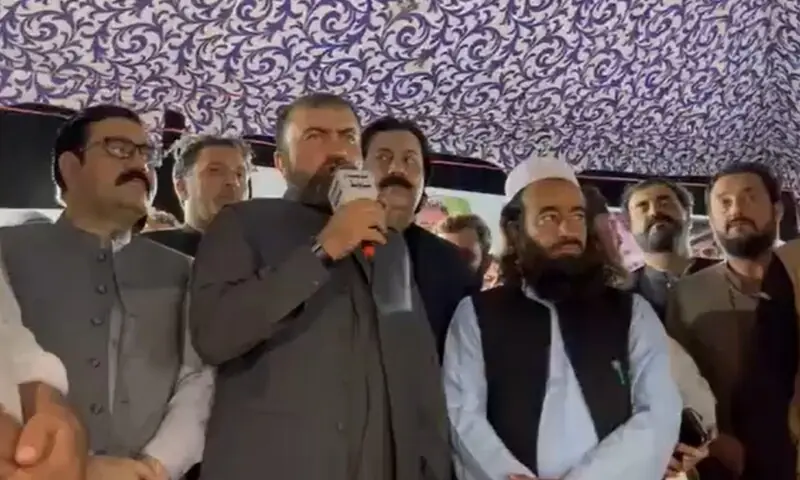
A five-day sit-in protest in Quetta, initiated after an attack on Hanna Urak Valley that resulted in five deaths, eight injuries, and eleven abductions on July 5th, has concluded. The protest, which had significantly disrupted traffic on Airport Road, was called off late Thursday night following the successful release of all eleven abducted tribesmen. Negotiations involving Balochistan Chief Minister Sarfraz Bugti and leaders of the protest committee facilitated this resolution. The bodies of the five deceased tribesmen were returned to their families for burial, with the Balochistan minister for health and many others attending the funeral prayers. Tribal and religious leaders are reported to have played a crucial role in mediating with the kidnappers. Chief Minister Bugti engaged in detailed discussions with protesters, acknowledging potential government shortcomings and pledging efforts to provide justice and relief. However, a separate sit-in by families of martyred policemen continues. This protest, now in its second day on Friday, concerns the killing of 30 policemen in Ziarat. Families have placed eight bodies at Koila Phatak Chowk, blocking traffic between Quetta, Pishin, and Ziarat, demanding security guarantees and justice. Prime Minister Shehbaz Sharif arrived in Quetta to chair an emergency Apex Committee meeting to address the escalating security situation.
The resolution of the tribesmen's sit-in highlights the effectiveness of direct negotiation and the potential leverage held by community leaders in de-escalating immediate crises. However, the simultaneous, ongoing protest by the families of martyred policemen underscores a deeper, unresolved security deficit in the region. The Prime Minister's intervention signals the gravity of the situation, suggesting a need for systemic security strategy reviews beyond localized responses. The differing outcomes for the two protest groups may reflect varying degrees of government responsiveness or the complexity of the underlying grievances, prompting an examination of equitable justice and security provision across different affected communities. Future policy may benefit from proactively addressing root causes of insecurity and ensuring consistent application of security measures to prevent such recurring incidents and the associated public unrest.
AI-generated to prompt reflection — not editorial opinion, not advice, not a statement of fact. How this works.