Quina Lottery: No Winner for Contest 7068, Jackpot Rises to R$ 9.5 Million
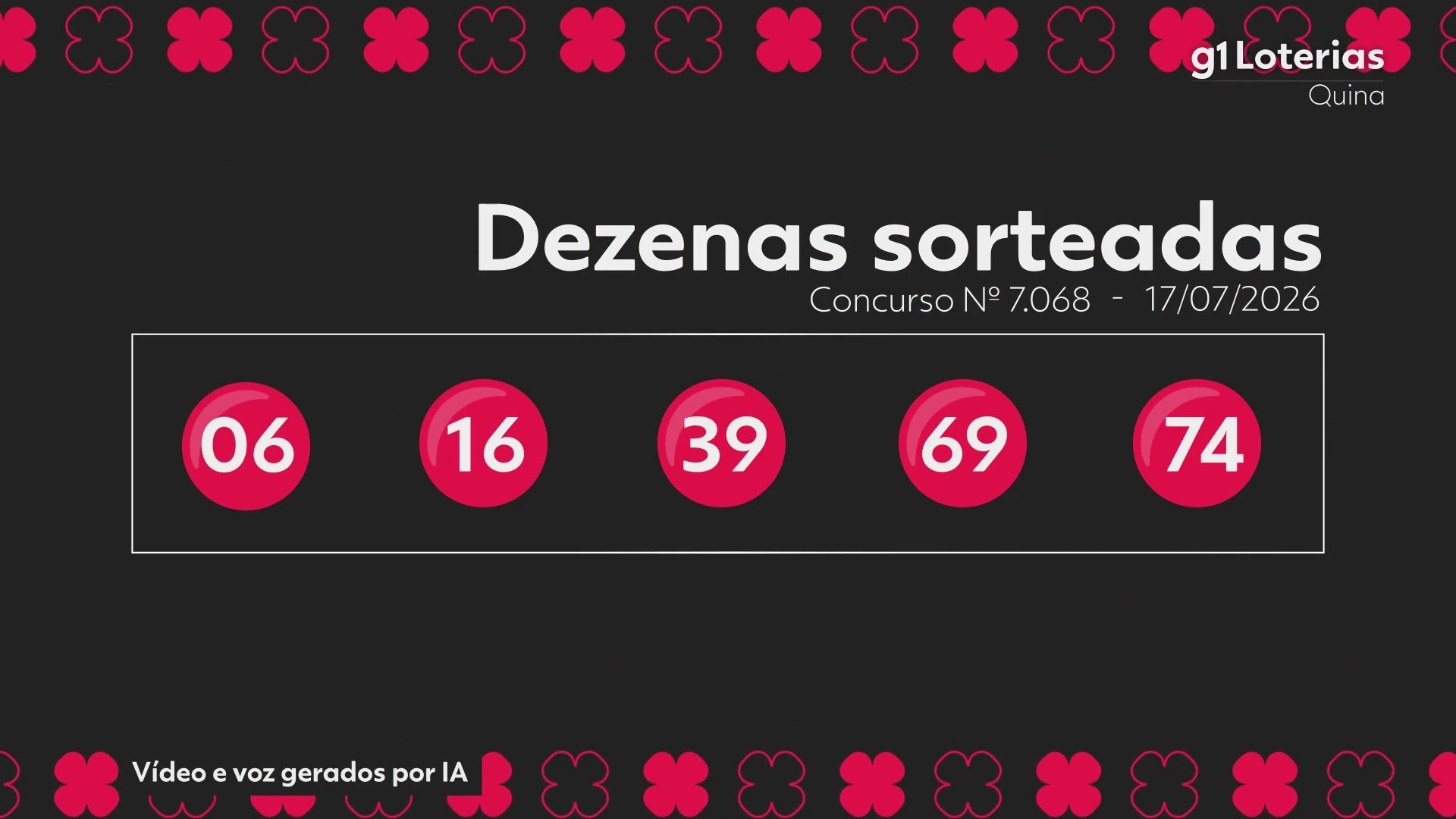
The lottery game Quina's contest number 7068, held on Friday, November 17th, did not yield a grand prize winner, causing the jackpot to accumulate to R$ 9.5 million. The winning numbers drawn were 6, 16, 39, 69, and 74. While no one matched all five numbers, 33 participants correctly predicted four numbers, each receiving R$ 14,260.75. Additionally, 2,904 players matched three numbers, earning R$ 154.33 each, and 83,946 players matched two numbers, with each receiving R$ 5.33. The next Quina drawing is scheduled for Saturday, November 18th. Quina operates with six weekly draws from Monday to Saturday at 9 PM and is administered by Caixa Econômica Federal. Players can select 5 to 15 numbers from a pool of 80, or opt for the "Surpresinha" where numbers are chosen by the lottery operator. The game also offers "Teimosinha," allowing participants to enter the same bet into multiple consecutive draws. A special annual event, the Quina de São João, offers larger prizes and takes place around June 24th.
This lottery outcome highlights the inherent probabilistic nature of games of chance, where the accumulation of jackpots is a designed feature to incentivize continued participation. The distribution of smaller prizes across a significant number of players demonstrates the lottery's function as a broad-based revenue generator, with a small percentage of winners receiving substantial amounts while a larger base receives modest returns. From a systemic perspective, lotteries like Quina represent a form of voluntary taxation, relying on entertainment value and the allure of significant financial windfalls to generate funds. The operational structure, including the "Surpresinha" and "Teimosinha" options, is geared towards maximizing engagement and ticket sales across diverse player preferences. Future iterations of such games will likely integrate further digital engagement strategies, potentially leveraging AI for personalized betting suggestions or enhanced user experience, while regulatory frameworks will continue to balance revenue generation with responsible gaming principles.
AI-generated to prompt reflection — not editorial opinion, not advice, not a statement of fact. How this works.