Quina Lottery: Numbers for Contest 7069 Drawn, Jackpot Rolls Over to R$ 10.5 Million
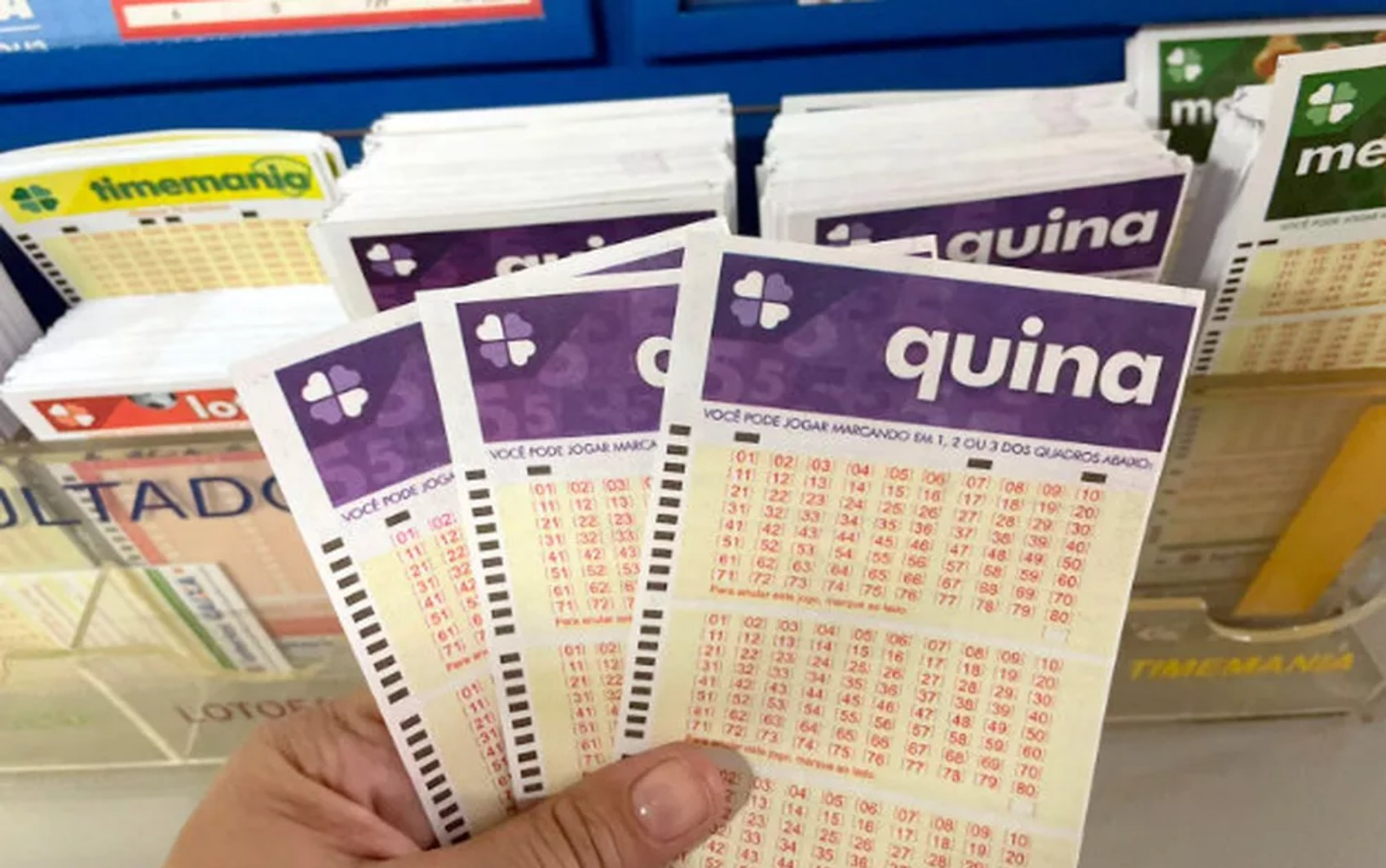
The results for Quina lottery contest number 7069, held on Sunday, February 19th, have been announced. The winning numbers drawn were 13, 20, 33, 56, and 65. No player managed to match all five numbers, causing the jackpot to roll over to an estimated R$ 10.5 million for the next drawing. In the previous contest, 79 players correctly matched four numbers, each receiving R$ 6,595.54. Additionally, 5,369 players matched three numbers, earning R$ 92.42 each, and 127,376 players matched two numbers, with each receiving R$ 3.89. The next Quina drawing is scheduled for Monday, February 20th. Quina allows players to choose between 5 and 15 numbers from a pool of 80, with an option for a "Surpresinha" where numbers are randomly selected by Caixa Econômica Federal. Prizes are awarded for matching two to five numbers, with 35% of the prize pool allocated to five-number winners, 15% to four-number winners, 10% to three-number winners, and 10% to two-number winners. The lottery also offers a "Teimosinha" option for consecutive drawings and holds a special annual "Quina de São João" with larger prizes.
This lottery result highlights the inherent probabilities and risk-reward structures of chance-based games. The rollover of the jackpot reflects a common dynamic where larger prizes attract more attention, but the underlying odds remain constant, favoring the operator (Caixa Econômica Federal) over the long term. The tiered prize structure, distributing smaller amounts to a larger number of participants for fewer correct numbers, serves to maintain engagement and a sense of near-miss potential. From a systems perspective, lotteries like Quina function as a form of voluntary taxation, leveraging psychological principles of hope and aspiration. Future iterations of such games may incorporate digital engagement strategies, but the fundamental mathematical principles governing payouts and player probabilities will persist as a core constraint.
AI-generated to prompt reflection — not editorial opinion, not advice, not a statement of fact. How this works.