Quina Lottery: Results for Contest 7056 - No Jackpot Winner, Prize Rolls Over to R$ 5 Million
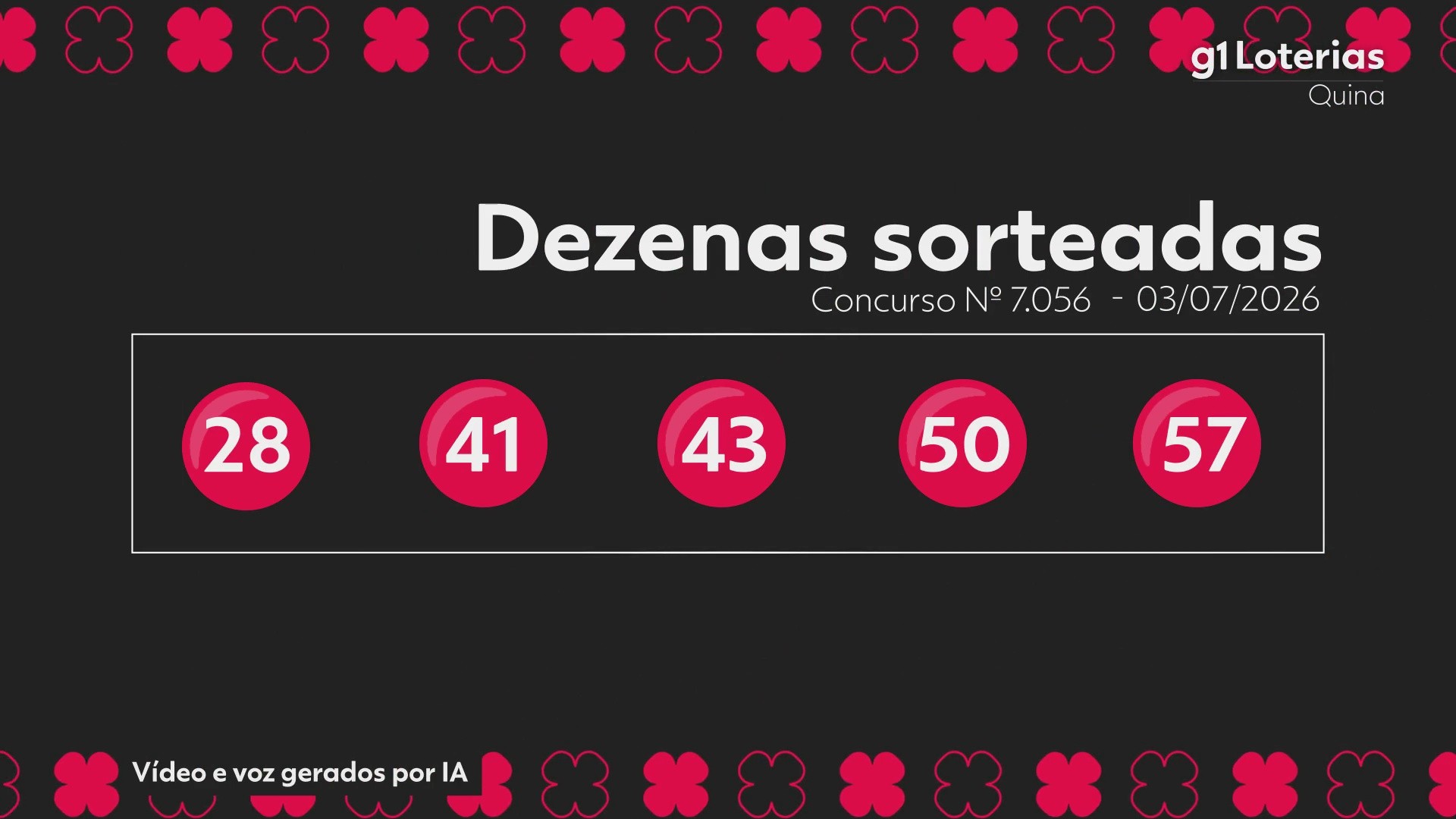
The results for Quina lottery contest number 7056, held on Friday, March 3rd, have been announced. The winning numbers drawn were 28, 41, 43, 50, and 57. No participant successfully matched all five numbers, resulting in the jackpot rolling over to an estimated R$ 5 million for the next draw. In this contest, 32 players achieved four correct numbers, each receiving R$ 12,142.90. Additionally, 2,493 players matched three numbers, earning R$ 148.44 each, while 65,720 players correctly identified two numbers, with each receiving R$ 5.63. The next Quina drawing is scheduled for Saturday, March 4th. The Quina lottery, administered by Caixa Econômica Federal, allows players to select between 5 and 15 numbers from a pool of 80, with options for automated number selection via "Surpresinha." Prizes are awarded for matching two to five numbers, with prize distribution percentages varying based on the number of correct matches. The "Teimosinha" feature enables players to participate with the same numbers across multiple consecutive draws. Quina holds six weekly drawings from Monday to Saturday, typically around 9 PM. An annual "Quina de São João" event offers larger prizes, usually near June 24th.
This report details the outcome of a national lottery drawing, highlighting the absence of a grand prize winner and the subsequent rollover of the jackpot. Such events underscore the probabilistic nature of lotteries, where the accumulation of prizes is a designed feature to incentivize continued participation. From a systemic perspective, lotteries function as a form of voluntary taxation, generating revenue for the state while offering a small chance of significant financial gain to individuals. The analysis of prize distribution reveals a steep drop-off in rewards for fewer matched numbers, reflecting a common incentive structure in games of chance designed to maximize engagement through the allure of a large, albeit improbable, top prize. Future considerations for such games might involve exploring models that balance jackpot accumulation with more frequent, smaller payouts to broaden appeal and potentially mitigate concerns about wealth concentration among a few winners.
AI-generated to prompt reflection — not editorial opinion, not advice, not a statement of fact. How this works.