Quinca Mariano Bridge Closed for Structural Repairs, Rerouting Traffic Between Minas Gerais and Goiás
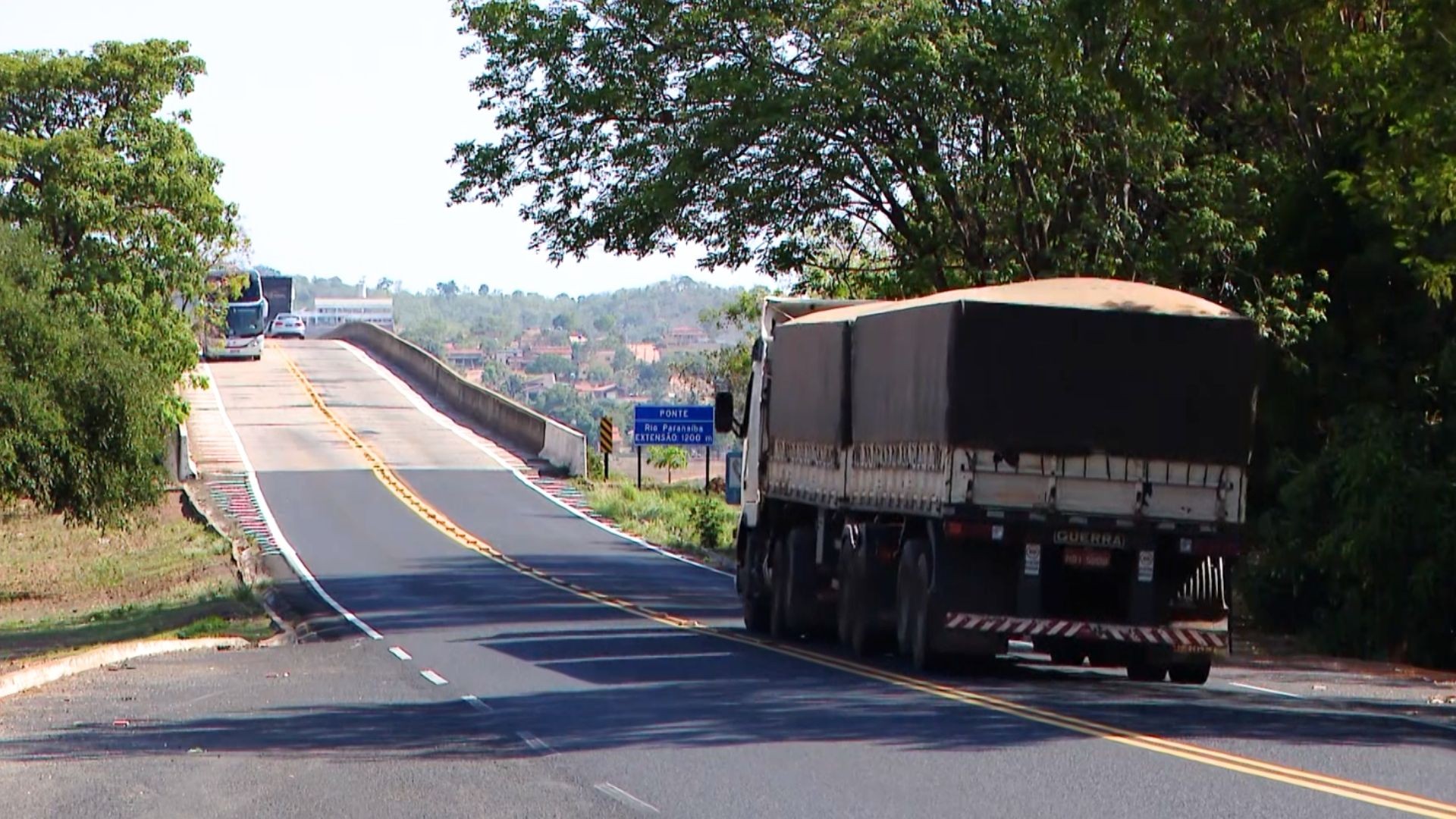
The Quinca Mariano Bridge, a vital link between Minas Gerais' Triângulo Mineiro region and southern Goiás, has been fully closed starting Monday, August 3rd, for extensive structural repairs. The closure, expected to last approximately 12 months, will significantly alter travel routes for an estimated 15,000 daily vehicles, particularly those traveling between Uberlândia and the popular tourist destination of Caldas Novas. The bridge, originally built in 1975, has suffered from deterioration in its expansion joints, pavement failures, and other structural issues, leading to driver complaints and safety concerns. The Goiás State Agency for Infrastructure and Transport (Goinfra) is managing the R$ 25.9 million project, which includes replacing support devices, repairing expansion joints, reinforcing the structure, improving drainage, and repaving the road surface. Drivers heading between Uberlândia and Caldas Novas will face longer journeys. The primary detour, recommended by Goinfra, involves a 235-kilometer route via Araguari, Cumari, and Nova Aurora, estimated to take about 3.5 hours, compared to the previous 2 hour and 40-minute travel time. An alternative route via Itumbiara is also available, spanning approximately 300 kilometers and taking around 4.5 hours. Goinfra advises drivers to consult detour information before traveling and to exercise caution in affected areas. A cooperation agreement between DER-MG and Goinfra signed in November 2025 outlines joint efforts for infrastructure improvements between the two states, including this bridge rehabilitation.
The closure of the Quinca Mariano Bridge highlights the critical need for ongoing infrastructure maintenance and investment in Brazil's transportation networks. The extended detour times and increased mileage for an estimated 15,000 daily vehicles underscore the economic and social impact of aging infrastructure. While the R$ 25.9 million repair project aims to address immediate structural deficiencies, it also raises questions about long-term planning and the cyclical nature of infrastructure degradation. The significant increase in travel time for a popular route suggests a potential for increased logistical costs and reduced connectivity in the interim. Future infrastructure strategies may benefit from proactive, predictive maintenance models to mitigate such extensive disruptions and ensure the sustained economic viability of key transportation corridors.
AI-generated to prompt reflection — not editorial opinion, not advice, not a statement of fact. How this works.
