Quinca Mariano Bridge Closure Between Goiás and Minas Gerais Extended to One Year
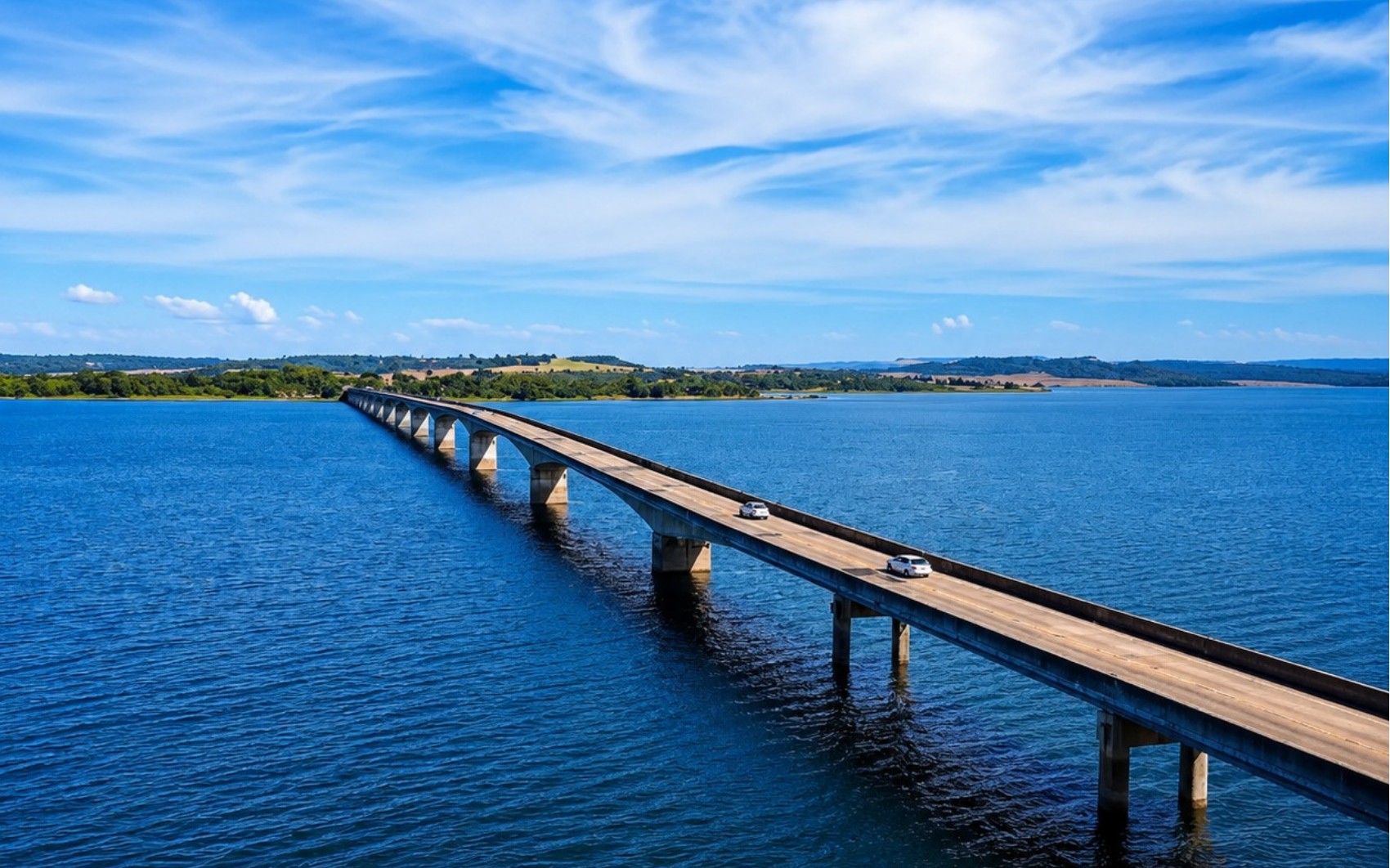
The Quinca Mariano Bridge, located on the GO-139 highway at the border of Goiás and Minas Gerais, will be fully closed starting Monday, July 3rd, at 6 AM. The closure is expected to last for one year to allow for structural recovery and rehabilitation work on the crossing over the Paranaíba River. This closure is necessary to advance the subsequent stages of the project, as the initial phase, which began in July, operated with partial restrictions and a stop-and-go system. The bridge is a vital route for transporting agricultural products, inputs, and minerals, and also serves as a primary access point for visitors from Minas Gerais and São Paulo to the tourist region of Águas Quentes in southern Goiás. During the one-year closure, all traffic will be rerouted through alternative paths. The rehabilitation works include replacing support devices, repairing expansion joints, structural reinforcement through complementary prestressing, drainage system upgrades, and pavement renewal. The project's schedule and phases are being coordinated with the Minas Gerais Road Department (DER-MG). Alternative routes have been provided for travelers originating from Corumbaíba, Goiânia, and Caldas Novas, directing them through various cities in both states to reach their destinations.
The extended one-year closure of the Quinca Mariano Bridge, a critical infrastructure link for regional commerce and tourism, highlights the significant investment and time required for essential structural rehabilitation. While the necessity of such repairs for long-term safety and functionality is clear, the substantial disruption to traffic underscores the trade-offs inherent in infrastructure maintenance. This event prompts consideration of proactive maintenance strategies and the development of more resilient transportation networks capable of absorbing such closures with less economic and social impact. Future planning may benefit from exploring modular construction techniques or parallel infrastructure development to mitigate the effects of prolonged service interruptions on vital economic corridors.
AI-generated to prompt reflection — not editorial opinion, not advice, not a statement of fact. How this works.