Quito's Bicentennial Park: Balancing Mobility Needs with Green Space
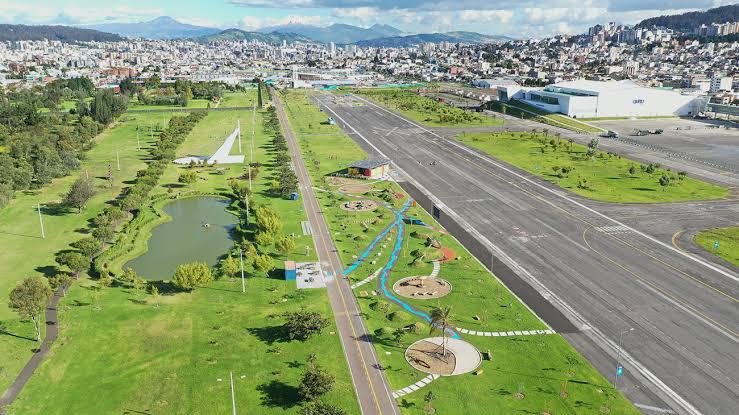
Quito faces a challenge in improving its urban mobility without compromising the integrity of the Bicentennial Park. The development of new transportation routes necessitates thorough studies to ensure their viability and minimize environmental impact. Transparency in the planning and execution phases is crucial, allowing citizens to understand the proposed changes and their implications. Furthermore, open dialogue between city officials, urban planners, and the public is essential to foster consensus and address potential concerns. This approach aims to integrate necessary infrastructure upgrades while preserving a vital green space for the city's residents.
The city of Quito is navigating a common urban planning dilemma: the tension between infrastructure development for enhanced mobility and the preservation of valuable public green spaces like Bicentennial Park. The call for studies, transparency, and dialogue suggests a recognition of the need for data-driven decision-making and inclusive governance. Future urban development strategies will increasingly require innovative solutions that can achieve both functional improvements and environmental sustainability, potentially through integrated transport planning, smart city technologies, and adaptive reuse of existing infrastructure. The challenge lies in creating systems that can accommodate growth without irrevocably diminishing the quality of life and ecological health of urban centers.
AI-generated to prompt reflection — not editorial opinion, not advice, not a statement of fact. How this works.