Quito's 'Pico y Placa' Traffic Restrictions Explained for July 10, 2026
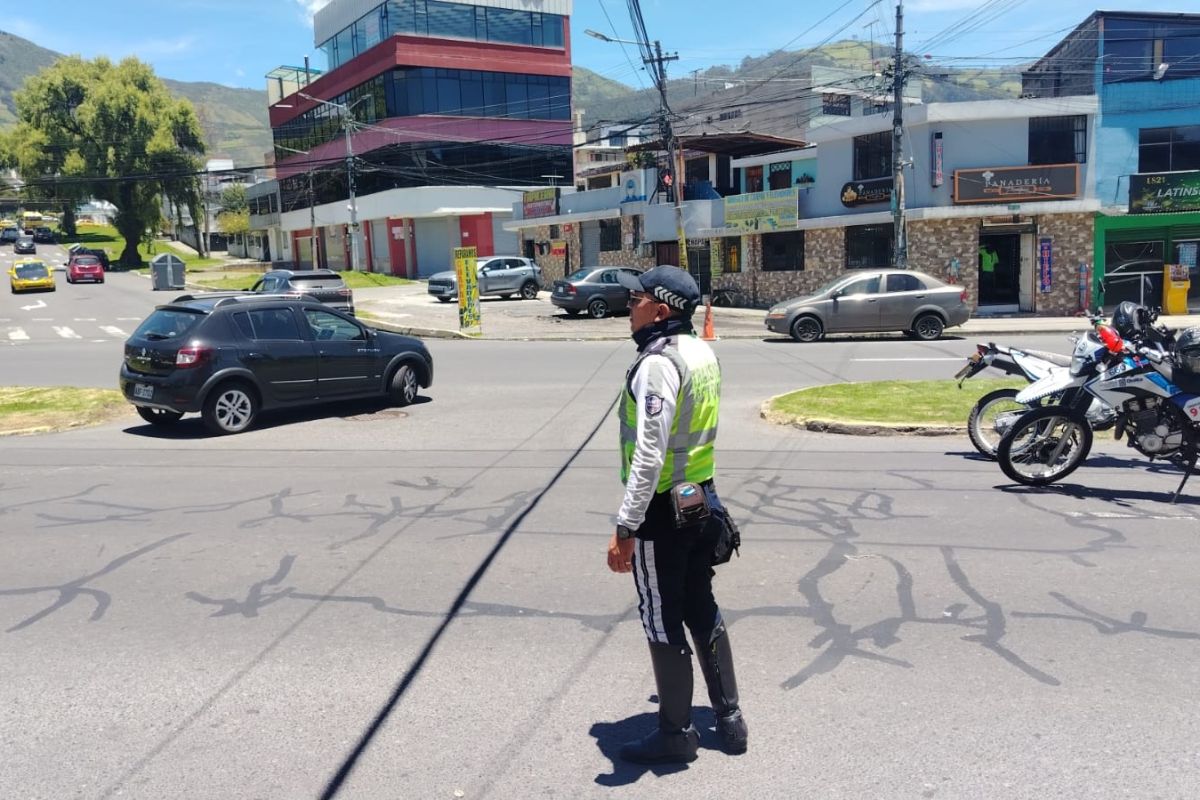
Quito, Ecuador, enforces its 'Pico y Placa' (Peak and Plate) traffic restriction program, which limits vehicle circulation based on license plate numbers on specific days and times. This system is designed to alleviate traffic congestion in the capital city. Drivers who violate the 'Pico y Placa' regulations face substantial fines. These penalties can escalate to as much as $230 USD. The specific rules and the criteria for applying these sanctions are currently in effect. The program aims to manage traffic flow, particularly during peak hours, by restricting certain vehicles from using public roads. Understanding these regulations is crucial for residents and visitors operating vehicles within Quito to avoid incurring significant financial penalties.
The 'Pico y Placa' system in Quito represents a common urban strategy to manage traffic congestion through demand management. By restricting vehicle access based on license plates, the city aims to reduce the number of cars on the road during peak hours. The substantial fines associated with violations serve as a strong deterrent, incentivizing compliance. However, such measures can also disproportionately affect lower-income residents who may rely on personal vehicles and struggle to afford alternative transportation or the penalties. Future urban mobility planning may need to consider more equitable and integrated solutions that combine traffic restrictions with enhanced public transport, smart city technologies, and incentives for sustainable mobility options to address both congestion and accessibility challenges over the next decade.
AI-generated to prompt reflection — not editorial opinion, not advice, not a statement of fact. How this works.