Quito's 'Pico y Placa' Traffic Restrictions: Fines and How They Work
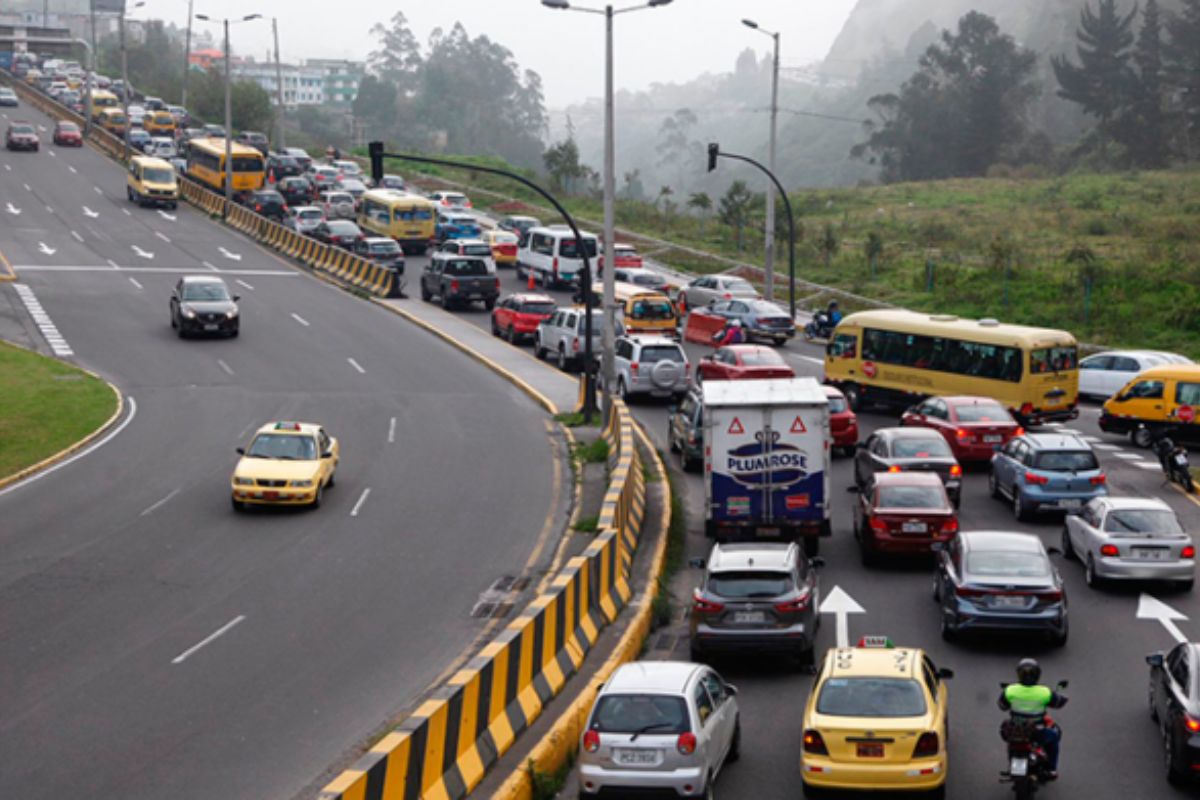
Quito's 'Pico y Placa' (Peak and Plate) traffic restriction system is in effect on Friday, July 3, 2026. This measure aims to manage vehicle congestion in the city. Drivers who violate the 'Pico y Placa' rules face significant penalties. Fines for non-compliance can escalate, potentially reaching up to $230. The system categorizes vehicles based on their license plate numbers, restricting their movement on certain days and at specific times. Understanding the current sanctions and the criteria used to determine them is crucial for all motorists operating within Quito. The specific details of which license plates are restricted on this particular date are essential for drivers to avoid incurring fines. The city authorities enforce these regulations to improve traffic flow and reduce travel times during peak hours.
The 'Pico y Placa' system in Quito represents a common urban strategy to mitigate traffic congestion through demand management. By restricting vehicle usage based on license plates, authorities aim to reduce the number of cars on the road during peak hours. While effective in theory, the success of such systems often depends on public compliance and the availability of viable alternative transportation options. The significant fine structure suggests a strong enforcement mechanism, intended to deter violations. Future considerations for Quito might include integrating smart city technologies for more dynamic traffic flow management or exploring incentives for public transit usage to further optimize urban mobility and reduce reliance on private vehicles.
AI-generated to prompt reflection — not editorial opinion, not advice, not a statement of fact. How this works.