Quito's 'Pico y Placa' Traffic Restrictions: Fines and Regulations
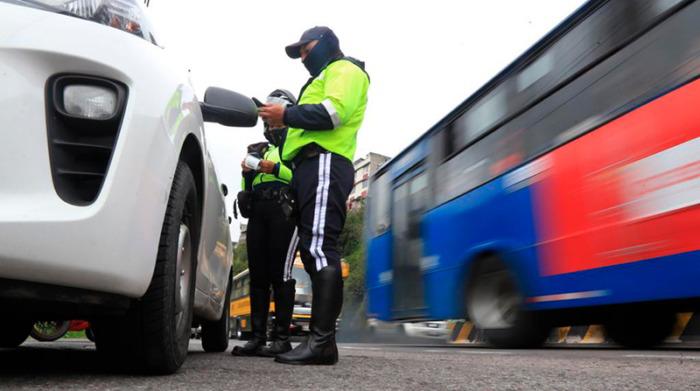
Quito, Ecuador, enforces its 'Pico y Placa' (Peak and Plate) traffic restriction program, which limits vehicle circulation based on license plate numbers on specific days and times. This measure aims to alleviate traffic congestion in the capital city. Drivers who violate the 'Pico y Placa' rules face significant fines, which can escalate up to $230. The specific restrictions and the corresponding penalties are subject to current regulations and their enforcement criteria. The program is a key component of Quito's urban mobility strategy, designed to manage the flow of vehicles and reduce travel times during peak hours. Understanding the schedule and the potential financial consequences is crucial for residents and visitors operating vehicles within the city limits. The fines are structured to act as a deterrent, encouraging compliance with the traffic management system.
The 'Pico y Placa' system in Quito represents a common urban strategy to manage traffic congestion through demand-side restrictions. While effective in reducing vehicle volume during peak hours, such systems can create economic inefficiencies for individuals and businesses reliant on transportation. The substantial fines suggest a strong enforcement mechanism, aiming to ensure compliance. Future considerations for urban mobility might explore integrated approaches that combine traffic management with investments in public transit, smart city technologies, and incentivized off-peak travel to further optimize urban flow and reduce the burden on individual drivers.
AI-generated to prompt reflection — not editorial opinion, not advice, not a statement of fact. How this works.