Quito's 'Pico y Placa' Vehicle Restrictions for Tuesday, July 14, 2026
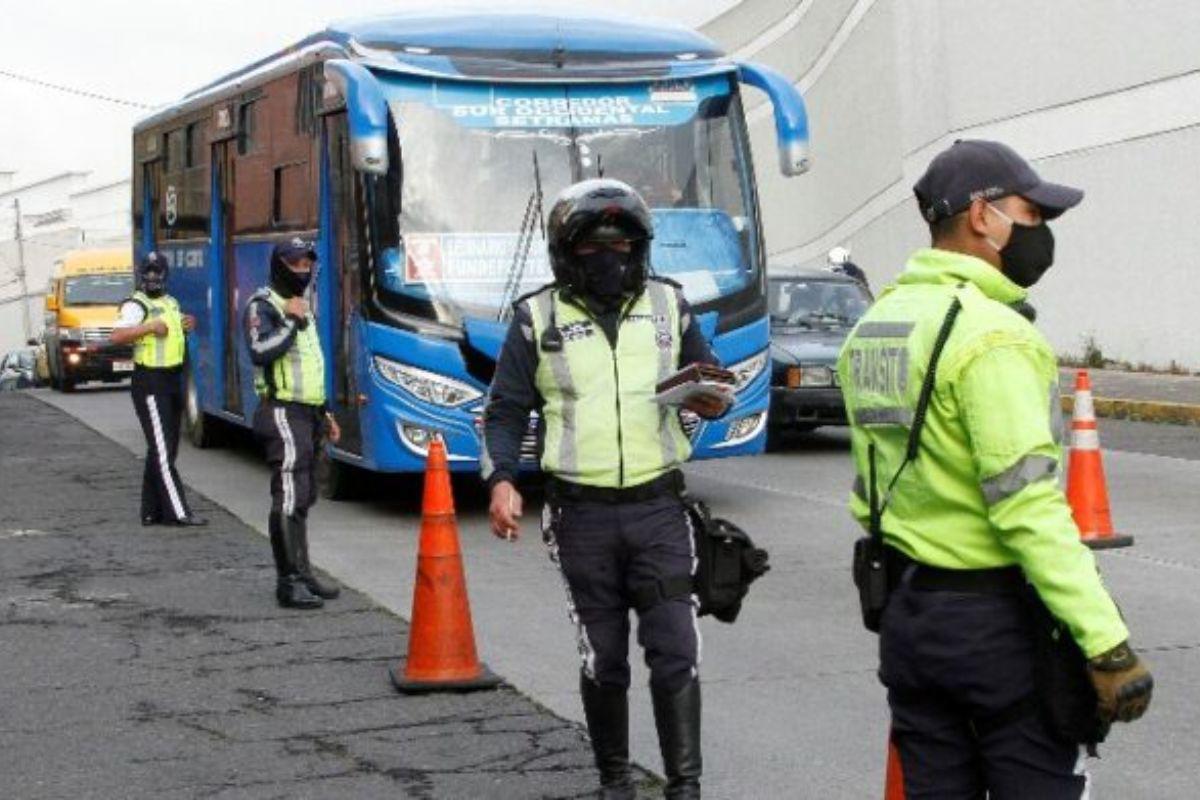
Quito, Ecuador, will implement its 'Pico y Placa' traffic restriction program on Tuesday, July 14, 2026. This system categorizes vehicles based on the final digit of their license plates to manage traffic flow. Drivers are advised to consult the weekly schedule to avoid incurring fines. The program aims to reduce congestion within the city by limiting the number of vehicles on the road during peak hours. Adherence to the 'Pico y Placa' schedule is mandatory for all registered vehicles operating within Quito's jurisdiction. Specific details regarding which license plate numbers are restricted on this date are typically provided in the weekly scheme. Failure to comply can result in penalties, including fines and potential impoundment of the vehicle. This measure is a common urban traffic management strategy employed by many large cities globally.
The 'Pico y Placa' system in Quito represents a municipal strategy to mitigate urban congestion through demand management. By restricting vehicle access based on license plate numbers, the city aims to reduce the total volume of traffic during peak periods. This approach, while addressing immediate traffic flow, may inadvertently shift congestion to other times or routes, and could also impose economic burdens on individuals and businesses reliant on consistent vehicle access. Evaluating the long-term effectiveness requires considering its impact on public transit utilization, alternative transportation modes, and overall urban mobility planning in the context of evolving technological solutions for traffic management.
AI-generated to prompt reflection — not editorial opinion, not advice, not a statement of fact. How this works.