R$1.2 Million Cigarette Cargo Stolen in São Carlos, Brazil
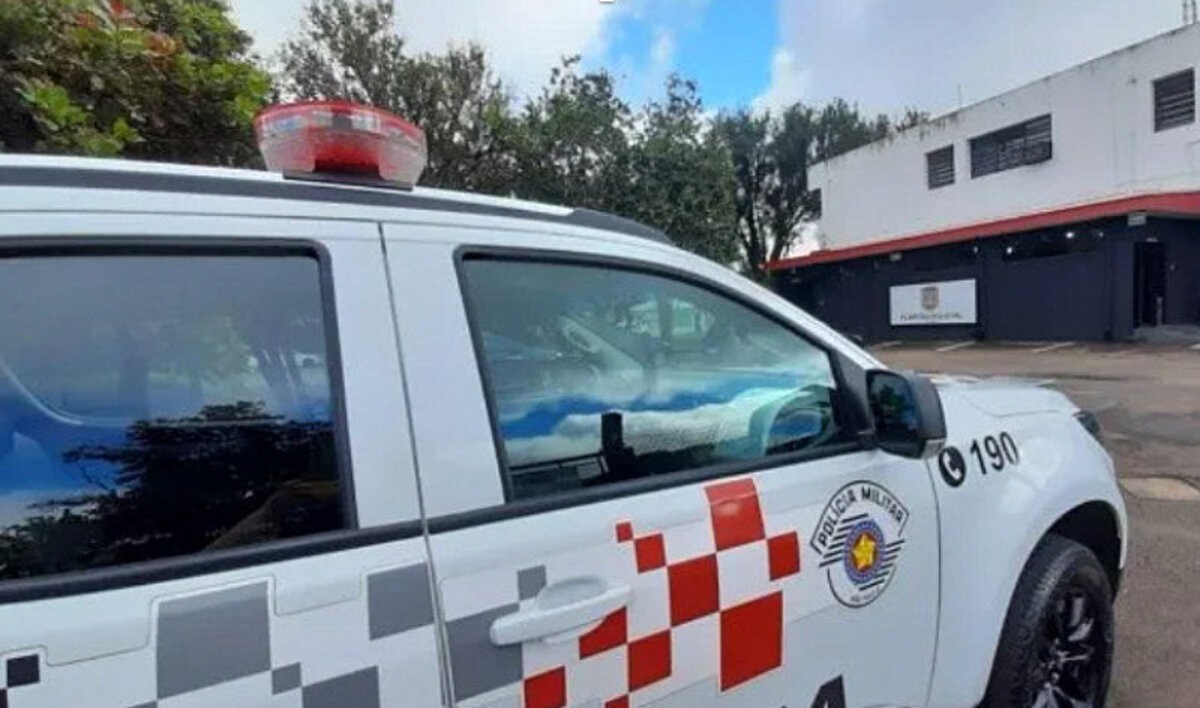
Armed criminals stole a cigarette cargo valued at approximately R$1.2 million in São Carlos, São Paulo, Brazil, on Monday, the 27th. The heist occurred in a yard adjacent to the Rodovia Washington Luís (SP-310). No arrests have been made. The stolen shipment contained around 300 boxes of cigarettes, which had departed from Bauru, São Paulo, destined for local merchants. The robbery took place around 6:45 AM as a van driver waited for the merchandise to be transferred from a truck for delivery. Two armed men emerged from another truck that parked alongside, displaying a pistol and demanding only the cargo without harming anyone if cooperation was given. The truck driver, who was in the process of unloading, was also subdued. One assailant entered the truck's cargo area, stating they were taking the load and not to resist. The same suspect's comment, "You took your time opening the trunk today, huh?", suggests the perpetrators may have been familiar with the delivery routine. The victims were forced into a dark Nissan Kicks-like vehicle used by the robbers, with their heads down to hinder identification. One victim's phone was taken, and the passcode was demanded. Most of the assailants wore hoods, with only one's face partially visible. The drivers were held in a wooded area near the Vida Nova neighborhood for approximately 40 to 50 minutes before being abandoned. Upon realizing they were alone, they reached the highway and sought assistance from the Military Police. Returning to the crime scene, they confirmed the entire cigarette cargo was gone, though other transported items remained. The incident was registered as cargo theft and will be investigated by the Civil Police.
This cargo theft highlights vulnerabilities in supply chain security, particularly concerning high-value, easily transportable goods. The apparent familiarity of the assailants with the delivery schedule suggests potential insider information or sophisticated reconnaissance, raising questions about internal security protocols and information flow. The perpetrators' focus solely on the cigarettes, leaving other goods behind, indicates a targeted operation likely driven by specific market demands or fencing networks. Future mitigation strategies could involve enhanced tracking technologies, diversified delivery routes, and more rigorous vetting of personnel involved in logistics to counter such organized criminal activity.
AI-generated to prompt reflection — not editorial opinion, not advice, not a statement of fact. How this works.