R$92 Million Bridge in Tocantins to Be Rebuilt After 18 Years Due to Irreversible Damage
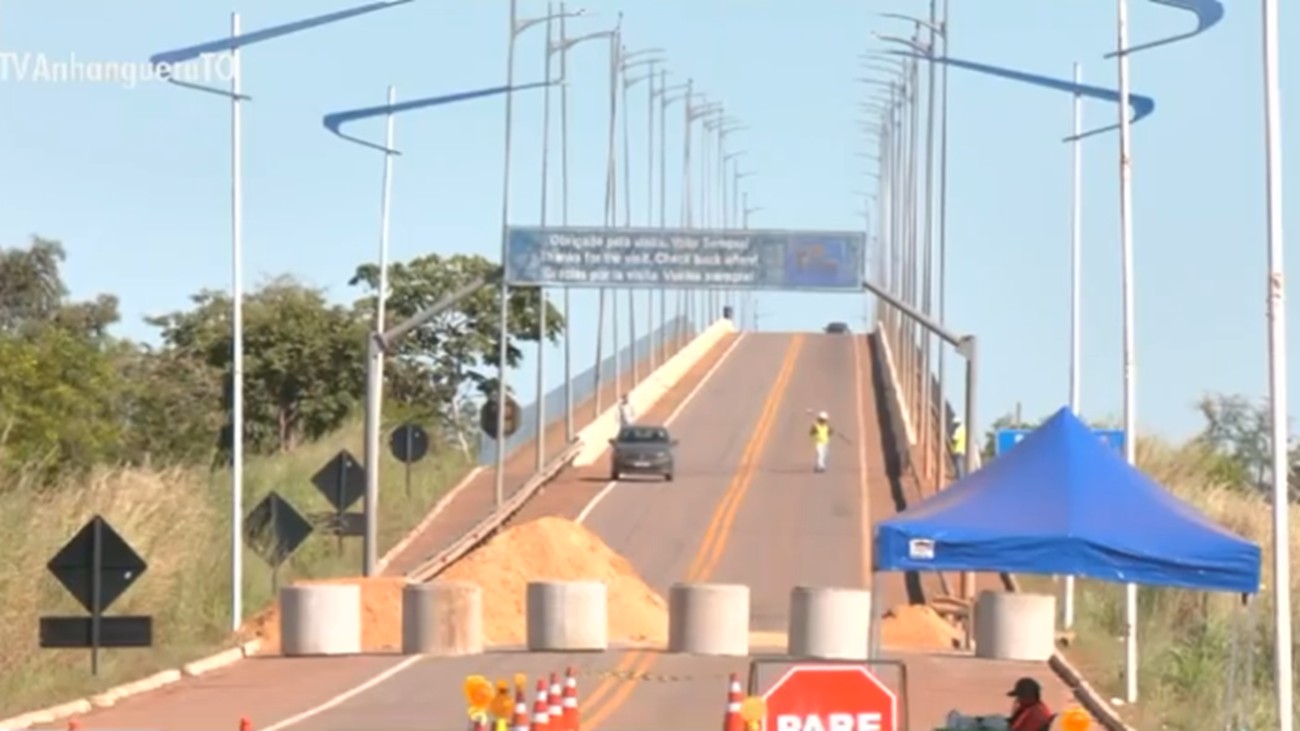
The National Department of Transport Infrastructure (Dnit) has confirmed that the bridge over the Tocantins River on BR-235, connecting Pedro Afonso and Tupirama in Tocantins, will undergo a complete reconstruction. This decision follows technical reports indicating irreversible damage to the structure, rendering it unsafe for vehicle traffic. The bridge, crucial for the regional economy, has been closed since May 21, 2026. Studies conducted by the Technological Research Institute (IPT) revealed severe chemical pathologies within the concrete of the bridge's foundations, specifically alkali-aggregate reaction and delayed ettringite formation. Additionally, load tests demonstrated permanent deformations in the structure under pressure. The original bridge, officially named Ponte Prefeito Leôncio Miranda, was inaugurated in December 2007 at a cost of R$92.7 million, a joint project between the Tocantins Government and the Union. Currently, the region faces significant logistical challenges, operating under a state of emergency and relying on ferries for transportation. The PRF is enforcing the complete closure of the bridge to all vehicle types. Dnit will conduct a reassessment in 15 days to evaluate the possibility of allowing light vehicles, contingent on prior reinforcement and safety measures. To mitigate economic impacts, the Tocantins Government has authorized emergency ferry operations, and the Pedro Afonso Municipality has declared a 180-day state of emergency due to disruptions in agricultural production flow.
The premature failure of the R$92.7 million Ponte Prefeito Leôncio Miranda bridge after only 18 years highlights potential systemic issues in infrastructure material selection, quality control during construction, or inadequate long-term maintenance protocols. The identified chemical reactions within the concrete suggest that either the initial design did not sufficiently account for local environmental factors or that construction materials did not meet specified standards. The subsequent need for a full reconstruction, rather than repair, indicates a significant underestimation of the degradation process. This event underscores the critical importance of robust, independent oversight throughout the lifecycle of public infrastructure projects, from initial material sourcing and construction to ongoing structural health monitoring, to ensure long-term public safety and responsible fiscal management. Future infrastructure investments should prioritize advanced material science and predictive maintenance technologies to avoid such costly and disruptive failures.
AI-generated to prompt reflection — not editorial opinion, not advice, not a statement of fact. How this works.