Raccoon-borne bacteria contaminate river, Osaka Metropolitan University investigates transmission route
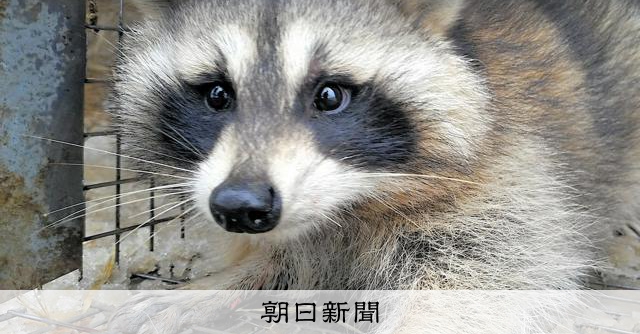
A study by Osaka Metropolitan University has revealed that raccoons are carrying bacteria responsible for food poisoning, leading to the contamination of rivers. The research team is actively investigating the transmission routes of these pathogens. This discovery highlights a potential public health concern, as these wild animals may be acting as vectors for bacteria that can cause illness in humans. The university's findings indicate that the presence of these bacteria in waterways poses a risk that requires further examination. Understanding how raccoons spread these germs is crucial for developing effective prevention strategies. The research aims to identify the specific bacteria involved and the ecological pathways through which they reach the river systems. This initiative underscores the importance of monitoring wildlife for potential disease transmission to human populations. The findings are expected to inform public health policies and environmental management practices.
This research from Osaka Metropolitan University sheds light on an emerging environmental health challenge: the role of wildlife, specifically raccoons, in transmitting foodborne pathogens to aquatic ecosystems. The investigation into transmission routes is critical for understanding the ecological dynamics at play and assessing public health risks. Identifying the specific bacteria and their prevalence in raccoon populations and river systems will be key to developing targeted interventions. This situation underscores the increasing importance of One Health approaches, recognizing the interconnectedness of human, animal, and environmental health, especially as urban and wild environments continue to overlap. Future strategies may need to consider wildlife management and water quality monitoring in tandem to mitigate such risks.
AI-generated to prompt reflection — not editorial opinion, not advice, not a statement of fact. How this works.