Racism Tarnishes 2026 World Cup with Surge in Online Abuse
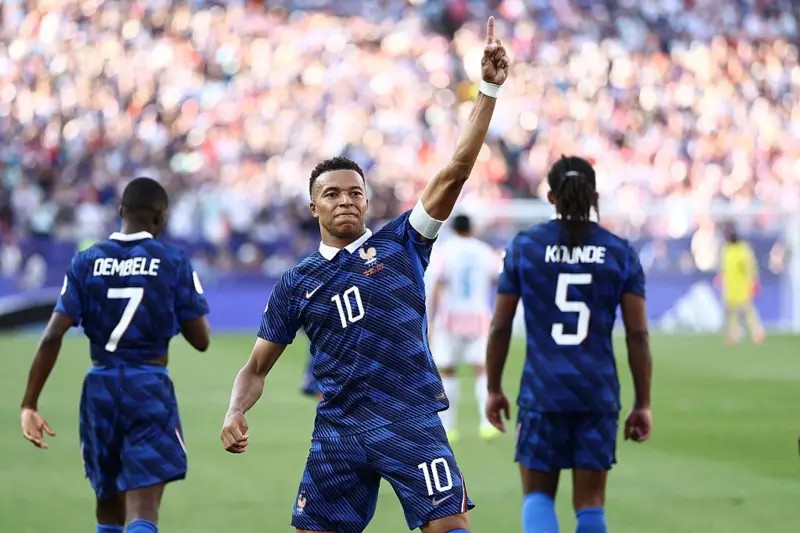
The 2026 FIFA Men's World Cup was marred by numerous racist incidents, drawing significant attention beyond the matches themselves. A notable controversy erupted after France's 1-0 victory over Paraguay when Paraguayan senator Celeste Amarilla posted comments about French captain Kylian Mbappé, which he described as racist. These remarks led to public debate, a French prosecutor's investigation, and negative political reactions in Paraguay. Troy Townsend, former head of player engagement for Kick It Out, highlighted that such behavior, though long-standing, escalates during major events.
The tournament saw a disturbing pattern of abuse, including three Dutch players facing online racism after missing penalties against Morocco, an Argentinian fan's offensive remark to a social media influencer, a Mexican fan's racist gesture towards a Korean, and Egyptian and Cape Verdean fans reporting being targeted with projectiles by Argentinian supporters. Egypt's coach, Hossam Hassan, used FIFA's official anti-racism gesture during a match. FIFA's Social Media Protection Service detected over 89,000 offensive posts during the group stage alone, a thirteenfold increase from the 2022 World Cup, with racial abuse accounting for 11% of the total. FIFA attributed this surge partly to the tournament's expansion and improved detection technology.
Despite FIFA's findings, the global players' union, FIFPro, warned of a "growing pattern of abuse" affecting athletes both online and in person, labeling these incidents as indicative of a "systemic pattern." Researchers like Professor Daniel Kilvington of Leeds Beckett University emphasize that racism, while perhaps less overt in stadiums, has found new avenues through social media, enabling rapid and global dissemination. He notes a potential resurgence of racism in physical spaces as well. Experts suggest that the abuse is not isolated but reflects broader societal trends, amplified by social media's anonymity and polarization, indicating a pervasive systemic racism that extends far beyond the sport.
The 2026 World Cup's significant increase in online abuse, particularly racial slurs, highlights the persistent challenge of combating discrimination in global sporting events. While technological advancements in detection are noted, the sheer volume of offensive content suggests that current mitigation strategies are insufficient. The expansion of the tournament and increased online engagement likely contribute to the scale of the problem, but the root causes lie in societal attitudes amplified by digital platforms. Future efforts must focus on systemic solutions, including robust enforcement of anti-discrimination policies, educational initiatives targeting fan behavior, and platform accountability for content moderation. Addressing this issue requires a multi-faceted approach that goes beyond reactive measures to foster a more inclusive and respectful environment within the sport and society at large.
AI-generated to prompt reflection — not editorial opinion, not advice, not a statement of fact. How this works.