Rai Suspends Ranucci Program Amid "Censorship" Allegations
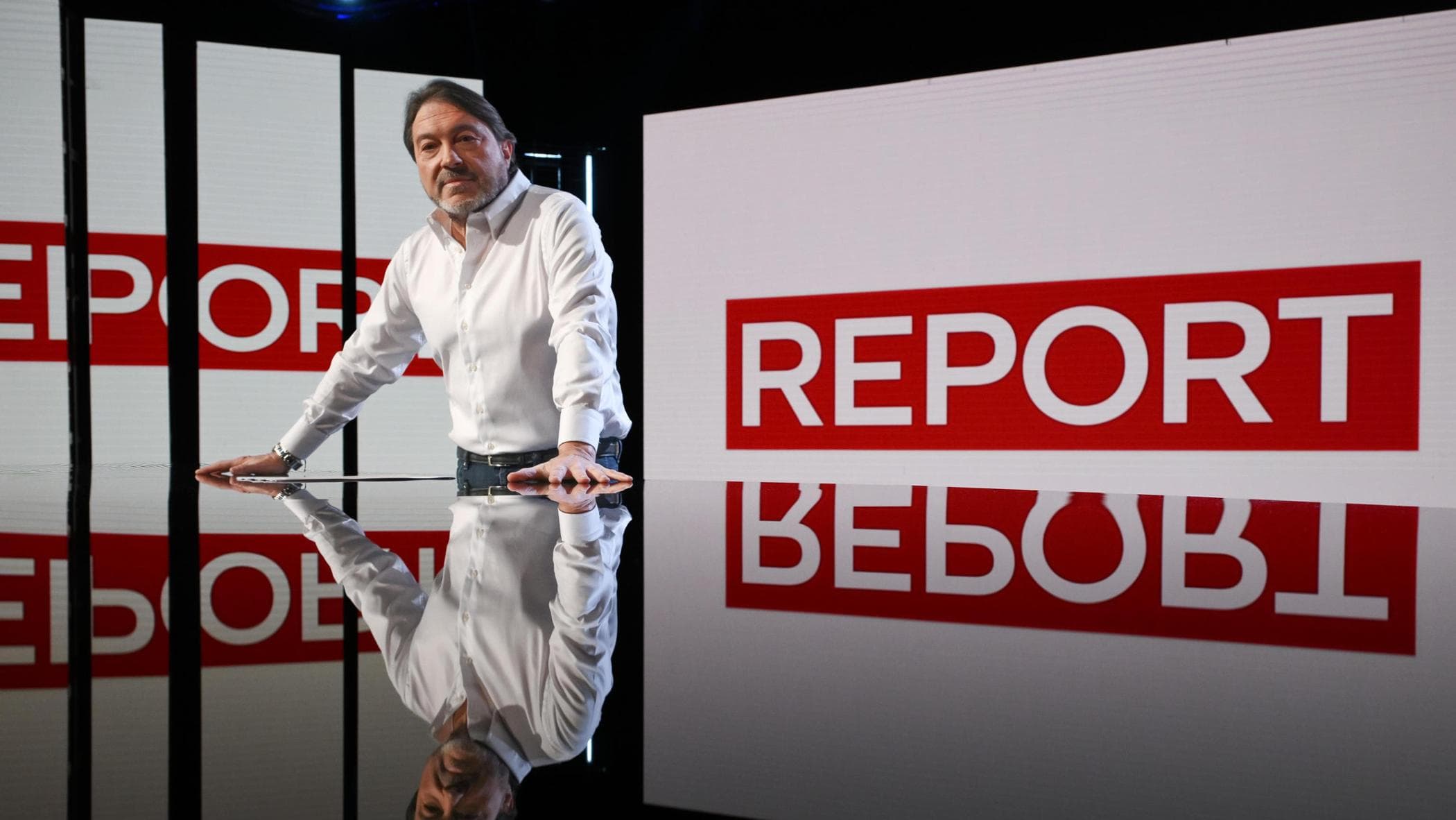
Rai, Italy's public broadcaster, has suspended reruns of a program featuring journalist Roberto Ranucci following a request for clarification on the "Ranucci case." The decision was announced by the director of in-depth programming, Corsini, who stated it was made to protect the editorial heritage. However, the newsroom protested, accusing Rai of censorship and claiming the decision delegitimizes their work. Professional journalistic orders, including the Ordine dei Giornalisti (Odg) and the Federazione Nazionale della Stampa Italiana (Fnsi), have also voiced their strong disapproval, deeming the decision "very serious."
The controversy highlights a potential conflict between editorial oversight and journalistic freedom within the public broadcasting service. The specific details of the "Ranucci case" remain unclear, but the reaction from the newsroom and journalistic bodies suggests significant concerns about the implications for editorial independence and the reporting process at Rai.
The suspension of Ranucci's program and the subsequent accusations of censorship by the newsroom point to a critical juncture in Rai's editorial governance. The stated rationale of protecting "editorial heritage" may mask underlying pressures related to content review or institutional reputation management. This situation raises questions about the mechanisms for resolving editorial disputes within public service media and the potential for such disputes to impact journalistic autonomy. In the evolving media landscape, where trust and transparency are paramount, navigating these internal tensions is crucial for maintaining both public confidence and the integrity of journalistic output. The long-term implications for Rai's editorial culture and its relationship with its journalists will depend on how effectively these governance challenges are addressed.
AI-generated to prompt reflection — not editorial opinion, not advice, not a statement of fact. How this works.