Rain Delays Coffee Harvest in Southern Minas Gerais, Brazil
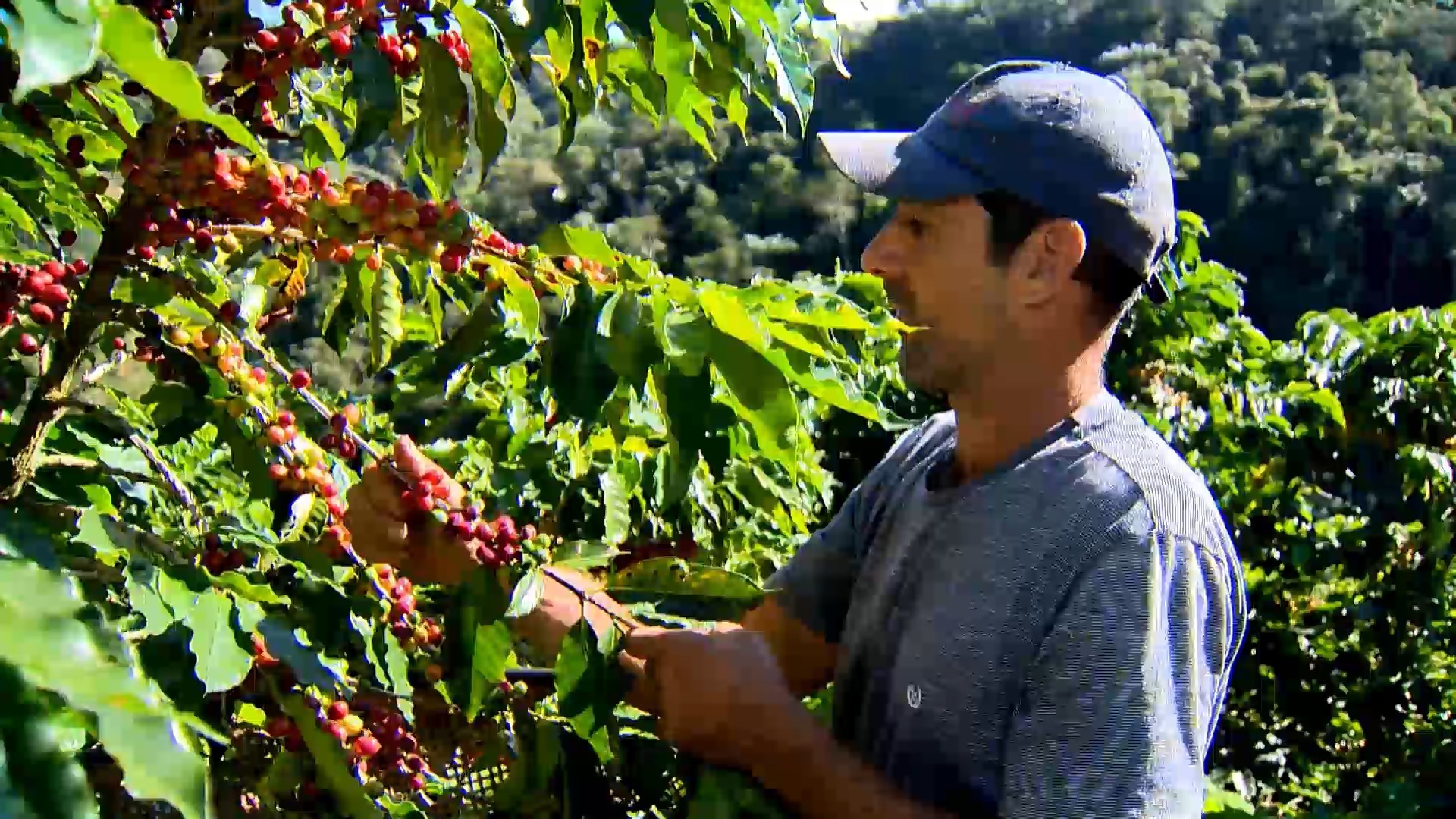
The coffee harvest in Southern Minas Gerais, Brazil, is experiencing significant delays due to persistent rainfall. These rains have impeded the maturation and subsequent collection of coffee beans across several regions. In areas like Guaxupé and Três Pontas, approximately 30% of the coffee crops have been harvested. However, in the Varginha region, rainfall delayed coffee bean maturation by about thirty days, resulting in only 20% of the coffee plants being harvested. The Serra da Mantiqueira region, characterized by naturally later coffee cycles due to lower temperatures and higher altitudes, has only managed to harvest 10% of its crop. Agronomist Ari Melo noted that while an initial delay was anticipated due to fruit maturation, the recent rains during the harvest period exacerbated the situation, causing an estimated 35% delay in the Varginha region. Beyond the scheduling disruptions, the delayed harvest also impacts coffee quality. Excessive rain caused many ripe coffee cherries to fall to the ground, leading to what is known as 'café de varreção' (ground coffee), which is expected to result in a lower quality beverage. The varying progress of the harvest across different areas of Southern Minas Gerais is attributed to distinct climatic conditions in each locale. This reduced supply of coffee is also influencing market prices, with Gaudêncio observing an increase in coffee prices attributed to the harvest delays and initial collection issues. While the current harvest is affected, it remains too early to determine the long-term impact on the next coffee season.
The current coffee harvest in Southern Minas Gerais is significantly impacted by weather patterns, illustrating the agricultural sector's vulnerability to climate variability. Delays and reduced quality, such as the incidence of 'café de varreção,' highlight the economic consequences of unseasonal rainfall. While lower supply currently supports higher prices, the long-term implications for producer profitability and global coffee markets depend on future weather stability and the industry's capacity to adapt. This event underscores the need for enhanced climate resilience strategies in coffee-producing regions, potentially involving diversified farming practices or advanced weather forecasting to mitigate future disruptions and ensure consistent supply chains.
AI-generated to prompt reflection — not editorial opinion, not advice, not a statement of fact. How this works.