Rainfall Across Bangladesh Creates Waterlogged Scenes and Affects Daily Life
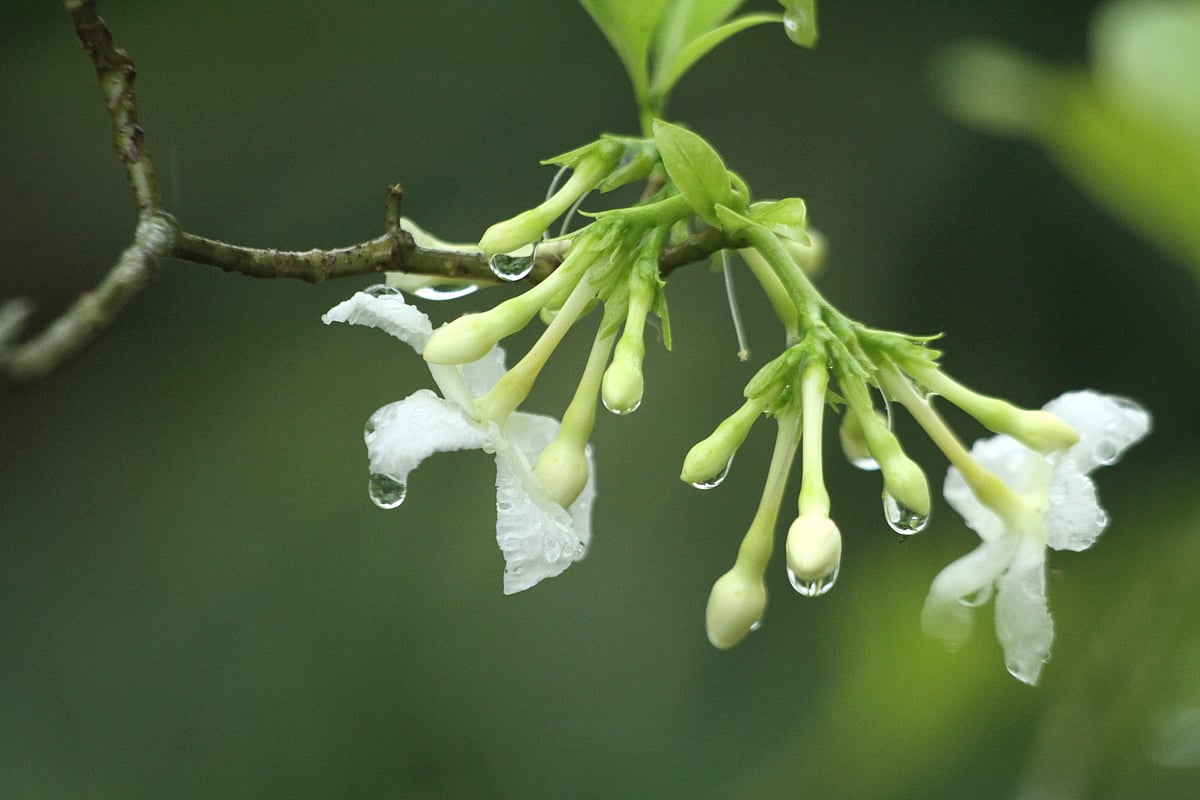
Heavy rainfall across various regions of Bangladesh on July 9, 2026, has led to significant water accumulation, impacting daily life and local environments. In Sadhana Pur, Rangamati, raindrops adorned the petals of Tagar flowers, while in Sylhet, red water lilies bloomed in rainwater collected in a pond near Shahi Eidgah. A student was seen braving the downpour with an umbrella on their way to school in Pakulla, Bogura, illustrating the challenges faced by commuters. Joyra, Manikganj, observed rainwater pooling on green leaves, a common sight following the showers. The Tilagarh-Krishi University road in Sylhet remains in disrepair, with accumulated rainwater in the broken sections causing considerable inconvenience to vehicles and pedestrians. In Sunamganj, river and haor water levels are rising due to rain and upstream inflows. Low-lying roads in Khulna have become waterlogged after two days of rain, disrupting traffic and causing hardship for residents in Mujgunni. In Dighinala, Kobakhali, rainwater has risen onto the road, with locals using vans for essential travel. A chameleon was spotted hunting insects on the bamboo supports of a hibiscus plant in Shibganj, Sylhet, showcasing nature's adaptation to the wet conditions. Meanwhile, a small minivet bird perched on a bamboo stake in a vegetable garden in Rajabari, Shripur, Gazipur. Separately, a procession was held in Rangpur to mark World Environment Day, highlighting environmental awareness efforts.
The widespread rainfall and subsequent waterlogging across Bangladesh, as documented on July 9, 2026, highlight the nation's vulnerability to weather events, exacerbated by infrastructure challenges like unrepaired roads. This pattern underscores the critical need for integrated urban and rural planning that accounts for climate resilience, including improved drainage systems and road maintenance schedules. As Bangladesh continues to develop, prioritizing such infrastructure investments will be crucial for mitigating disruptions to daily life, transportation, and economic activities, especially in low-lying areas prone to flooding. Future planning must also consider the increasing intensity of rainfall events predicted by climate models, necessitating adaptive strategies to safeguard communities and essential services against recurring water-related challenges.
AI-generated to prompt reflection — not editorial opinion, not advice, not a statement of fact. How this works.