Rainfall causes sinkhole, revealing ancient tunnel structure in Raebareli
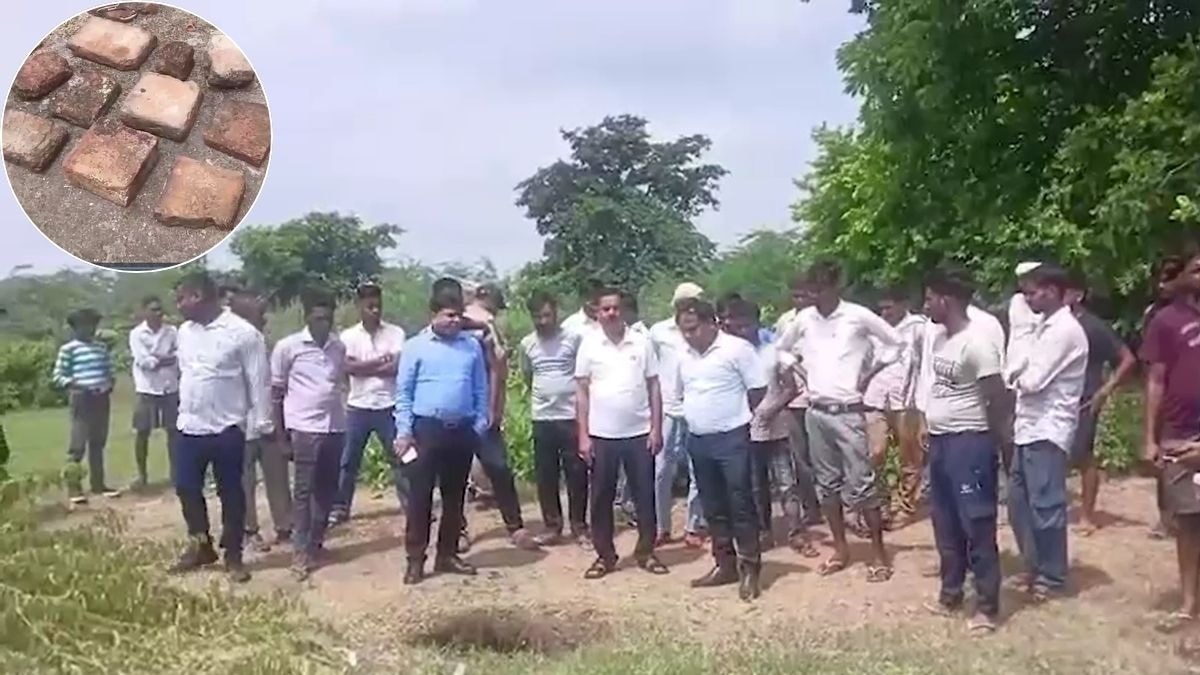
A sinkhole suddenly opened up in a field in Raebareli, India, following heavy rainfall. Villagers who investigated the site discovered a tunnel-like structure with paved walls beneath the surface. The Archaeological Survey of India (ASI) was alerted and dispatched a team to the location. Preliminary investigations suggest that the unearthed remains could date back approximately two thousand years to the Kushan period.
The discovery of ancient structures following natural events like rainfall highlights the vulnerability of historical sites to environmental changes. This incident underscores the importance of proactive archaeological surveys, especially in regions with known historical significance, to mitigate potential damage from weather or development. Future urban planning and infrastructure projects in such areas should incorporate robust archaeological impact assessments to safeguard cultural heritage. The ASI's prompt response is crucial, but the long-term preservation strategy for such findings, particularly concerning their integration with modern land use, will require careful consideration of resource allocation and inter-agency coordination.
AI-generated to prompt reflection — not editorial opinion, not advice, not a statement of fact. How this works.