Rainy Holidays Boost Visitors to Meeresmuseum
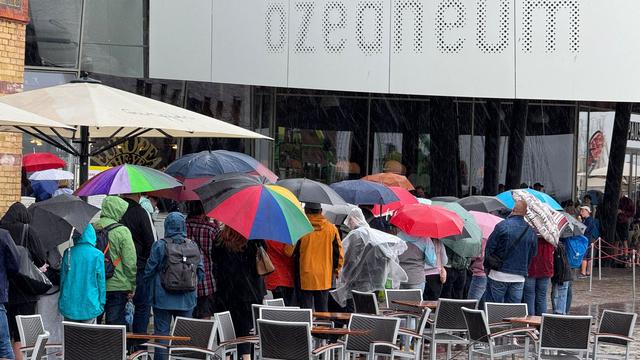
Unfavorable weather conditions and the ongoing holiday season have led to a surge in visitors at the Meeresmuseum (Oceanographic Museum) in Stralsund, Germany. Instead of enjoying beach activities, families and tourists are opting for indoor attractions like the museum. This shift in preference highlights the museum's appeal as a destination, particularly when outdoor options are limited. The increased footfall is a welcome development for the institution, likely boosting engagement with its exhibits on marine life and oceanography. The museum's popularity during this period underscores its role as a significant cultural and educational site in the region. Visitors are drawn to its diverse displays, which offer insights into the underwater world. The combination of school holidays and persistent rain has created an ideal scenario for indoor venues like the Meeresmuseum to attract a larger audience. This trend suggests that weather-dependent tourism can significantly impact visitor numbers at cultural institutions. The museum is well-positioned to capitalize on such opportunities, providing an enriching experience for all ages. Its exhibits likely offer a compelling alternative to outdoor activities, ensuring a vibrant atmosphere despite the inclement weather.
The surge in visitors to the Meeresmuseum, driven by inclement weather and holiday periods, illustrates the significant impact of external factors on cultural institution attendance. This event highlights the strategic importance of offering compelling indoor attractions that can serve as robust alternatives to outdoor leisure. For institutions like the Meeresmuseum, understanding and adapting to these seasonal and weather-related demand fluctuations is key to sustained operational success and visitor engagement. Future planning could involve developing flexible programming or enhanced marketing during predicted periods of adverse weather to maximize visitor flow and revenue. This scenario also points to a broader trend where predictable environmental shifts can be leveraged for targeted outreach, ensuring that cultural assets remain accessible and appealing regardless of external conditions, thereby fostering a more resilient tourism ecosystem.
AI-generated to prompt reflection — not editorial opinion, not advice, not a statement of fact. How this works.