Rajasthan Congress to Allocate 50% Tickets to Youth in Local Body Elections
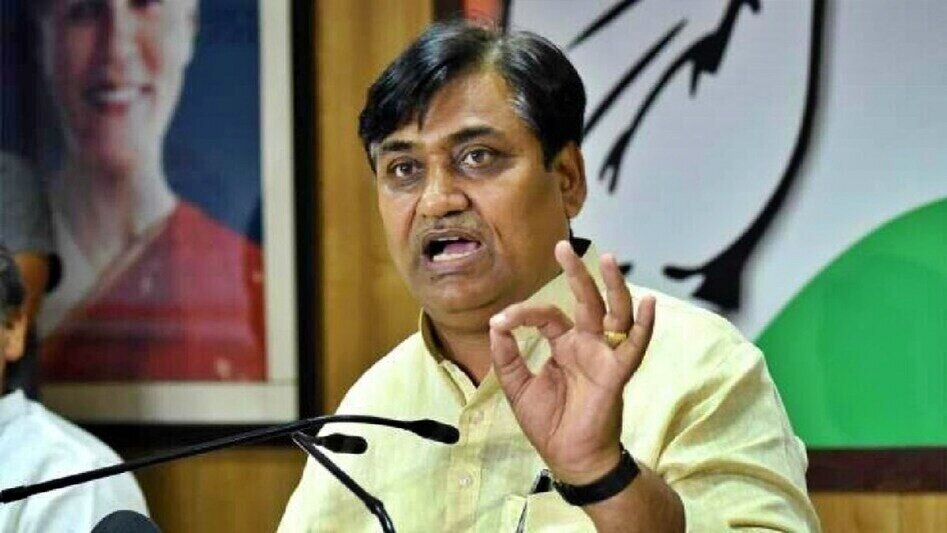
The Rajasthan Congress party has decided to reserve 50% of its tickets for candidates under the age of 50 for the upcoming local body and panchayat elections. This significant decision was announced by the Rajasthan Congress President. The move aims to bring new energy and perspectives into the party's representation at the grassroots level. By prioritizing younger leaders, the Congress party in Rajasthan seeks to connect more effectively with the aspirations of the youth demographic. This strategy is expected to invigorate the party's campaign efforts and potentially broaden its appeal to a younger electorate. The specific breakdown of how these tickets will be distributed across different local bodies and panchayat levels is yet to be detailed. However, the overarching commitment to youth participation signals a potential shift in the party's long-term leadership development strategy within the state.
The Rajasthan Congress's decision to allocate half of its election tickets to candidates under 50 reflects a strategic response to evolving political demographics and voter engagement trends. This initiative acknowledges the increasing influence of younger generations in political discourse and electoral outcomes. By prioritizing youth, the party aims to harness their energy and innovative approaches, potentially leading to more dynamic policy proposals and campaign strategies. This move could also serve to revitalize the party's image and appeal, particularly among younger voters who may feel underrepresented. However, the success of this strategy will depend on the actual quality and preparedness of the young candidates fielded, as well as the party's ability to integrate them effectively into existing political structures. The long-term implications may involve a generational shift in leadership, necessitating robust mentorship and support systems to ensure a smooth transition and sustained party strength.
AI-generated to prompt reflection — not editorial opinion, not advice, not a statement of fact. How this works.