Rajouri Devastated by Heavy Rains and Landslides, 12 Dead
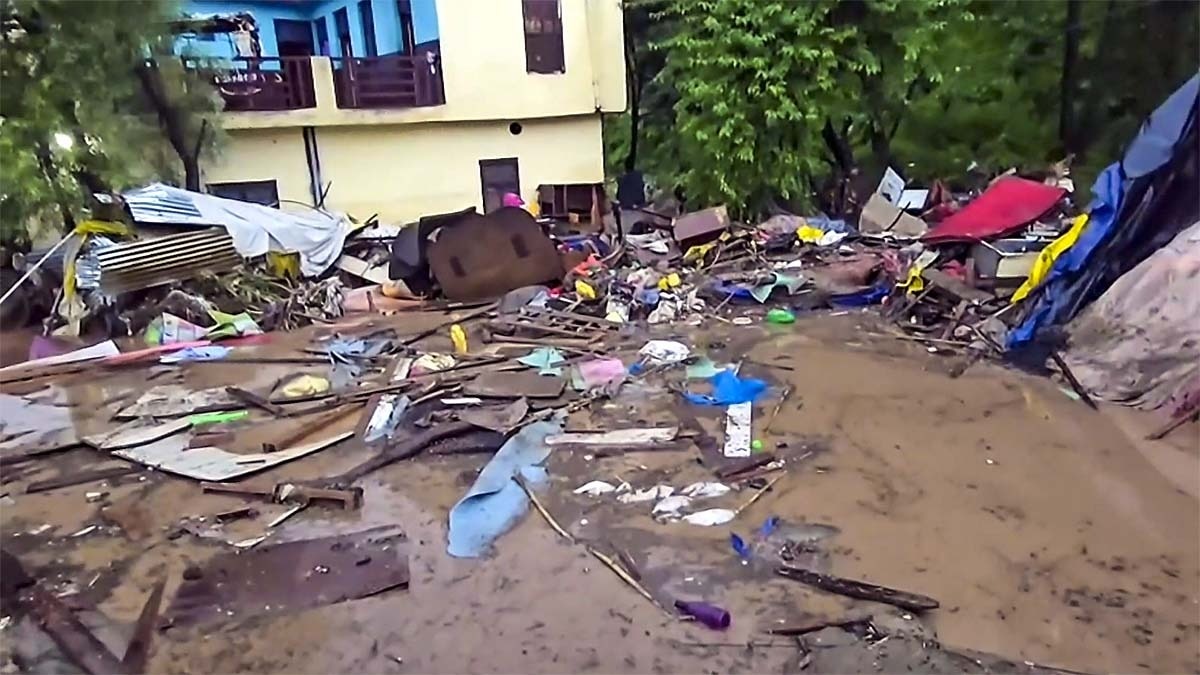
Heavy rainfall and subsequent landslides have caused widespread devastation in Rajouri, resulting in the deaths of 12 people. The region's vulnerability is attributed to several factors, including the geological nature of the young Himalayan mountains, the presence of weak rock formations, extensive deforestation, and the overarching impact of climate change. In response to the disaster, both the Indian Army and the State Disaster Response Force (SDRF) have been mobilized to conduct rescue and relief operations. Efforts are underway to aid those affected and mitigate further damage.
The severe impact of recent rainfall and landslides in Rajouri highlights the complex interplay between natural geological conditions and human-induced environmental changes. The vulnerability of the young Himalayan terrain, coupled with deforestation, amplifies the risks associated with extreme weather events, which are becoming more frequent due to climate change. This situation underscores the need for integrated land-use planning and robust disaster preparedness strategies that account for both environmental fragility and evolving climatic patterns. Future resilience will depend on balancing development pressures with ecological preservation and investing in infrastructure designed to withstand such natural hazards.
AI-generated to prompt reflection — not editorial opinion, not advice, not a statement of fact. How this works.