Rajshahi Motor Workers Union Election Dispute Halts Bus Services
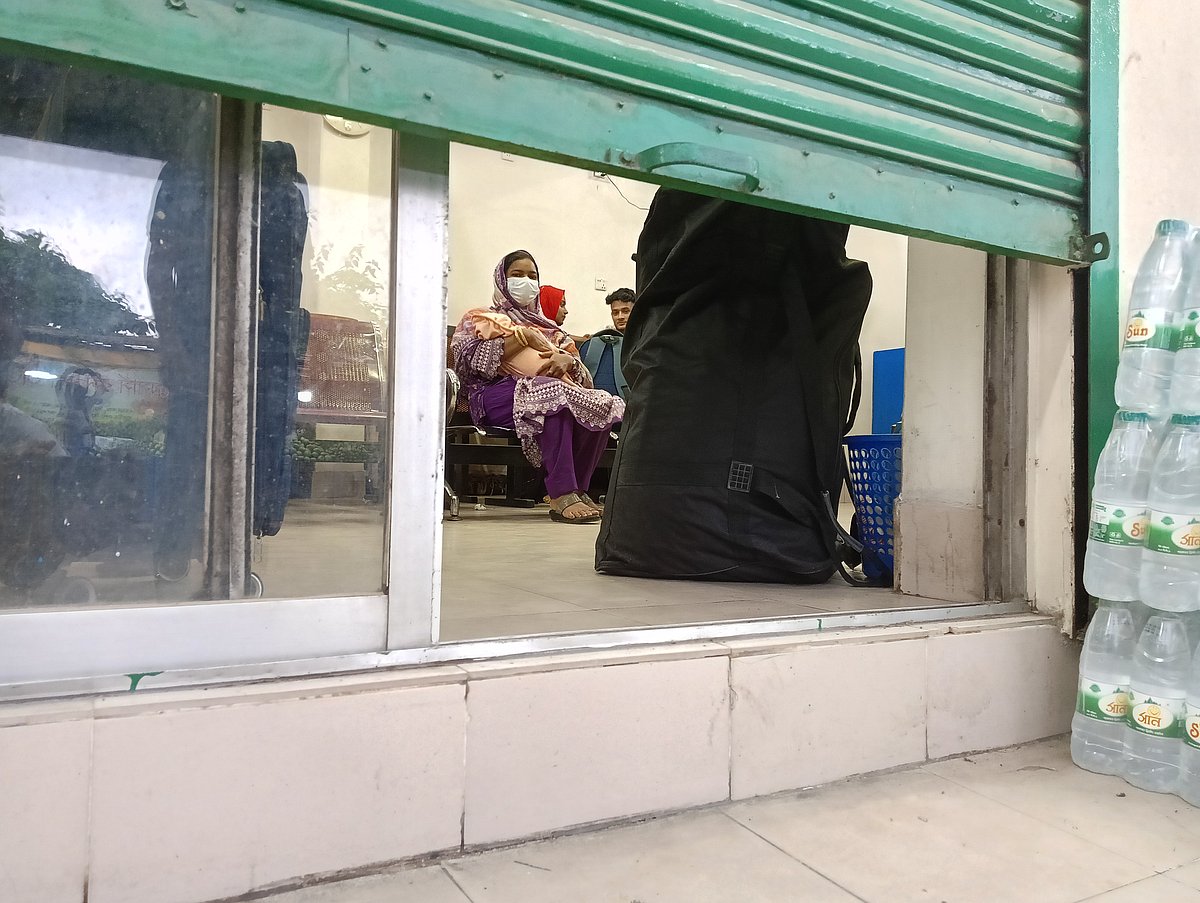
Bus services in Rajshahi have been suspended due to a conflict between two factions of the Rajshahi District Motor Workers Union over its upcoming election. The dispute escalated after the District Commissioner (DC), Kazi Abdul Shahidul Islam, proposed forming an election committee, a suggestion rejected by a segment of the workers. These workers are demanding that an election committee be formed through a general assembly. Inter-district bus services from Rajshahi ceased on Monday night at 8 PM, with only long-haul buses initially allowed to depart. All routes are scheduled to be suspended from Tuesday morning. However, another group of workers supports the resumption of bus services. Many union members have been advocating for elections for months, leading to a division within the union. An attack occurred on April 23 against those demanding elections, with accusations leveled against followers of Rofiqul Islam (Pakhi), the then acting general secretary and convener of the Metropolitan Workers' Party. Subsequently, the Road Transport Federation announced a new committee with Rofiqul Islam as president, a move rejected by workers, leading to several strikes in May. The District Commissioner had previously promised elections after Eid. The DC met with workers on Monday afternoon to discuss election arrangements, with Nazrul Islam (Helal), general secretary of the Rajshahi Road Transport Group, also present. Opposing leaders advised the DC to form the election board via a general assembly. The DC stated that while some workers want a general assembly for committee formation, it's not currently feasible due to the absence of a recognized committee, denying any bias. Following the meeting, tensions rose at the Shirol Bus Terminal, and some workers allegedly vandalized and looted Nazrul Islam's personal chamber. In response, the announcement was made to halt inter-district bus services. A union leader, Mominul Islam (Momin), accused the DC of taking sides and criticized the proposed committee formation process, asserting that fair elections would not occur under the current arrangement, thus prompting the bus suspension. Nazrul Islam Helal, however, condemned the vandalism and bus stoppage as inappropriate responses to meeting disagreements, asserting the owners' stance that bus services should continue.
The conflict within the Rajshahi District Motor Workers Union highlights systemic challenges in labor organization governance, particularly concerning democratic election processes and the role of administrative bodies. The dispute over committee formation, whether through general assembly or administrative appointment, reflects a tension between grassroots worker representation and centralized control, potentially influenced by factional power struggles. The suspension of bus services demonstrates the significant leverage labor unions can wield through disruption, impacting public convenience and economic activity. Future resolutions will likely depend on establishing transparent and inclusive electoral mechanisms that address the concerns of all factions, fostering stability and preventing future disruptions. This situation underscores the broader need for robust internal governance frameworks within labor organizations to ensure fair representation and efficient operations in the evolving economic landscape.
AI-generated to prompt reflection — not editorial opinion, not advice, not a statement of fact. How this works.