Ram Mandir Donation Theft Case: Accused's Family Questions Police Recovery
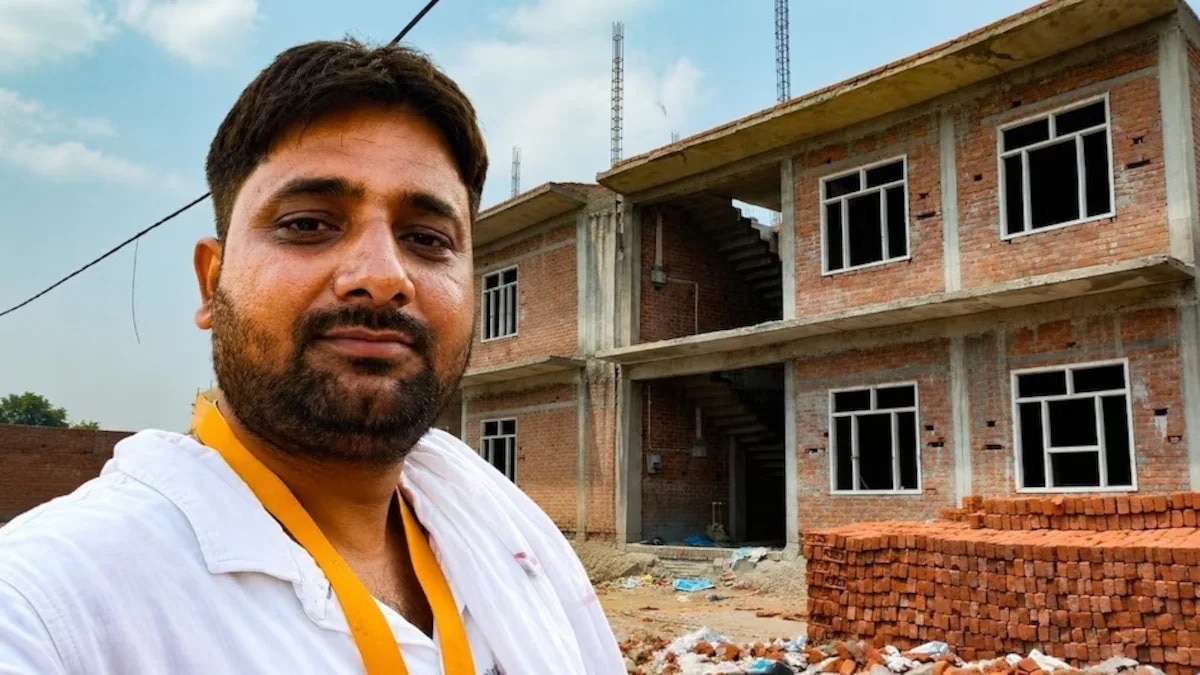
An investigation into the Ram Mandir donation theft case in Ayodhya has intensified following the recovery of a significant amount of cash from the residence of the accused, Lavkush Mishra. While the police consider this a crucial discovery, the family maintains Lavkush's innocence and has raised questions about the police's actions. Lavkush's maternal grandfather stated that if the police found anything in their home, they should reveal it, questioning the source of the cash given their modest living situation. He challenged the authorities to proceed with further action if they had the courage, implying a lack of substantial evidence.
The recovery of cash from the residence of an accused in the Ram Mandir donation theft case highlights the ongoing scrutiny of financial probity in religious institutions. The family's public questioning of the police's findings introduces a narrative of potential harassment or overreach, a common dynamic in such high-profile investigations. This situation underscores the importance of transparent evidence handling and due process to maintain public trust, particularly when dealing with sensitive religious sites and their financial operations. Future governance models for temple finances may need to incorporate more robust auditing and oversight mechanisms to prevent such allegations and ensure accountability.
AI-generated to prompt reflection — not editorial opinion, not advice, not a statement of fact. How this works.