Ram Mandir Trust Secretary Raises Questions Over Bank Document Signatures
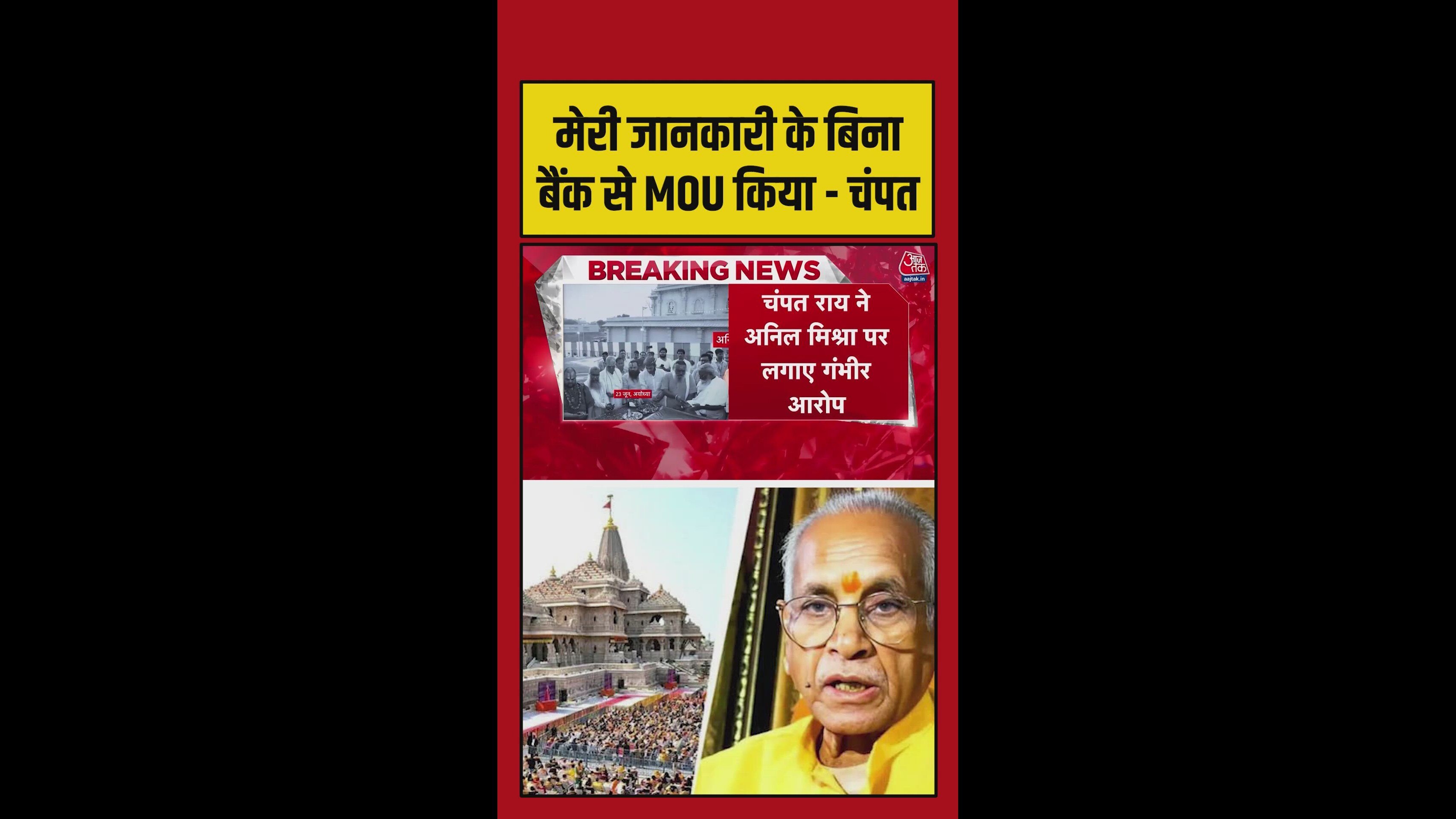
Champat Rai, the General Secretary of the Shri Ram Janmabhoomi Teerth Kshetra Trust, has raised serious concerns regarding the handling of financial documents related to the Ram Mandir donation collection. He stated that while the documents should have been signed after proper consultation, they were instead signed at the bank without his knowledge or consent. This action has led him to question the established procedures and transparency in the management of the temple's funds. Rai emphasized that he was unaware of these specific transactions, highlighting a potential lapse in internal communication and oversight within the trust. The incident pertains to the collection of donations for the Ram Mandir, a project that has garnered significant public attention and financial contributions. The trust is responsible for overseeing the construction and management of the temple in Ayodhya. Rai's statement suggests a lack of clarity in the decision-making process and the execution of financial agreements. Further details regarding the specific documents and the involved bank have not been disclosed.
This situation highlights potential governance challenges within large-scale public trusts managing significant financial inflows. The reported lack of transparency and unauthorized document signing, even if unintentional, can erode public confidence and create operational friction. Future-proofing such organizations requires robust internal controls, clear delegation of authority, and mandatory multi-party sign-offs for financial instruments. As AI continues to advance, its integration into financial oversight and transaction verification could offer solutions for enhanced security and accountability, mitigating risks associated with human error or procedural deviations in high-stakes projects.
AI-generated to prompt reflection — not editorial opinion, not advice, not a statement of fact. How this works.