Ram Temple Trust Faces Scrutiny Over Handling of Alleged Donation Irregularities
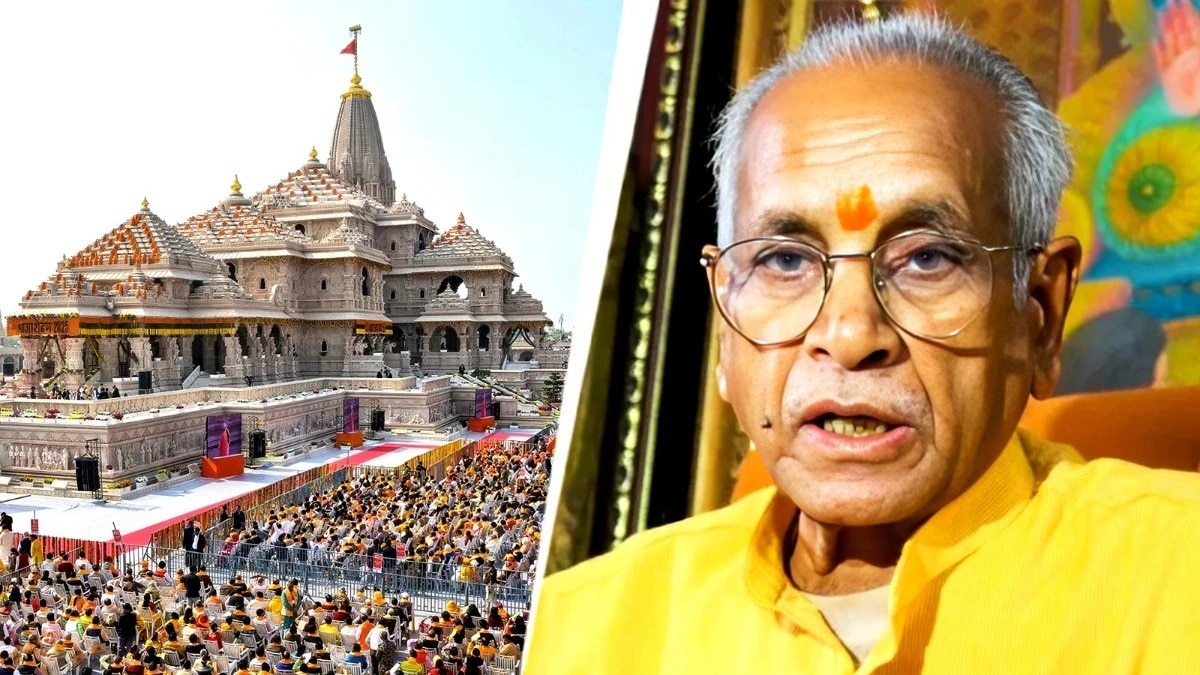
Questions are mounting regarding the Ram Temple Trust's decisions, the roles of its officials, and its initial actions in response to alleged irregularities in donation funds. The issue has expanded beyond a mere investigation into theft as the inquiry progresses. While police are conducting direct interrogations of suspects currently in custody, the Trust's internal meetings have also become the site of serious discussions on several critical matters. The controversy arose after Champat Rai, the General Secretary of the Shri Ram Janmabhoomi Teerth Kshetra Trust, reportedly discovered the alleged discrepancies. However, questions have been raised within the Trust about why a First Information Report (FIR) was not immediately filed upon the discovery of the alleged theft. This lack of immediate formal complaint has fueled further scrutiny into the internal processes and accountability mechanisms of the Trust. The ongoing investigation aims to clarify the extent of the financial discrepancies and the specific actions taken by Trust officials.
The situation surrounding the Ram Temple donations highlights potential governance challenges within large, high-profile trusts. The delay in filing an FIR after alleged irregularities were discovered raises questions about internal accountability and transparency protocols. This situation underscores the importance of robust financial oversight and clear procedural guidelines for handling discrepancies, particularly when public donations are involved. As the investigation unfolds, the focus will likely be on establishing clear lines of responsibility and ensuring that future operations adhere to best practices in financial management and public trust. The events prompt consideration of how such organizations can strengthen their internal controls to maintain public confidence and prevent similar issues from arising in the evolving landscape of digital transactions and large-scale fundraising.
AI-generated to prompt reflection — not editorial opinion, not advice, not a statement of fact. How this works.