Ranch Dressing Emerges as Unlikely Star of World Cup on Social Media
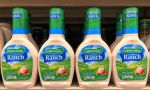
Videos circulating on social media platforms reveal a surprising trend: Europeans in the United States are expressing enthusiastic praise for ranch salad dressing. These online clips highlight a growing appreciation for the condiment among individuals who may not have previously encountered it. The trend suggests that ranch dressing has become an unexpected culinary discovery for some European visitors. As these videos gain traction, they are contributing to a broader conversation about food preferences and cultural exchange. The phenomenon underscores how social media can amplify niche interests and introduce new products to wider audiences. It appears that ranch dressing, a staple in American cuisine, is now capturing the attention of international palates. This unexpected popularity could influence future food trends and perceptions of American culinary offerings. The widespread sharing of these positive experiences indicates a significant level of satisfaction with the product.
The viral spread of positive testimonials for ranch dressing among European visitors in the US illustrates the potent influence of social media in shaping consumer perception and product adoption. This phenomenon highlights how readily available, culturally specific food items can become points of interest and discussion through digital platforms. From a market dynamics perspective, such organic endorsements can bypass traditional marketing channels, offering a cost-effective way to build brand awareness and potentially drive demand. Looking ahead, the increasing interconnectedness facilitated by technology suggests that more such cross-cultural culinary discoveries are likely, impacting global food trends and the internationalization of diverse cuisines. This trend also prompts consideration of how cultural exchange, amplified by digital media, can foster new appreciation for established products.
AI-generated to prompt reflection — not editorial opinion, not advice, not a statement of fact. How this works.