Randstad's revenue grows 2% to €5.9B, boosted by US data center demand
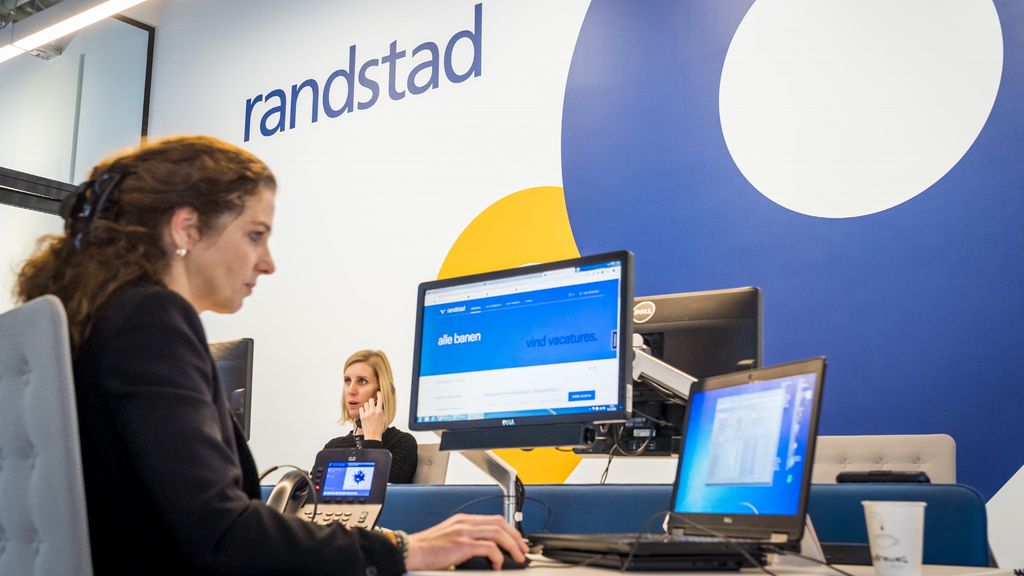
Randstad, a global staffing firm, reported a nearly 2% increase in worldwide revenue, reaching 5.9 billion euros in the past quarter. The company achieved a profit of 84 million euros, with significant growth driven by demand for temporary workers in the United States. This surge in the US is largely attributed to the burgeoning construction and operation of data centers, fueled by the rise of artificial intelligence. CEO Sander van 't Noordende highlighted the need for skilled labor in building and maintaining these facilities, describing it as a "hot business." In contrast, Randstad experienced a decrease in demand for temporary staff in the Netherlands. This decline is linked to new regulations implemented on January 1st, which equalized employment conditions for temporary and permanent workers, leading to a 4% to 10% increase in costs for clients. Van 't Noordende noted that the Dutch market is stabilizing as it adjusts to this new equilibrium. Significant regional variations were observed across Europe; Spain saw a 12% rise in demand, primarily in logistics and manufacturing sectors, unrelated to data centers. However, France and Belgium faced challenges due to legislative changes and the loss of major clients. Despite these mixed results, Van 't Noordende expressed optimism for the future, anticipating growth in operational roles within factories and distribution centers, followed by expansion in professional services, though he cautioned it is too early to project for the remainder of the year.
The expansion of data centers, driven by AI's increasing computational demands, presents a clear growth vector for the global staffing industry, as exemplified by Randstad's performance in the US. This trend underscores a fundamental shift in labor market needs, prioritizing skilled technical and manual labor for infrastructure development. Conversely, regulatory changes in markets like the Netherlands, aimed at harmonizing employment conditions, illustrate the complex interplay between labor policy, operational costs, and market demand. Companies must navigate these divergent forces, balancing global opportunities with localized regulatory environments. The differing economic performances across European nations also highlight the sensitivity of the staffing sector to broader economic conditions and industry-specific growth drivers, such as logistics and manufacturing versus technology infrastructure.
AI-generated to prompt reflection — not editorial opinion, not advice, not a statement of fact. How this works.