Ransomware Attacks Force Difficult Decisions: Pay or Refuse?
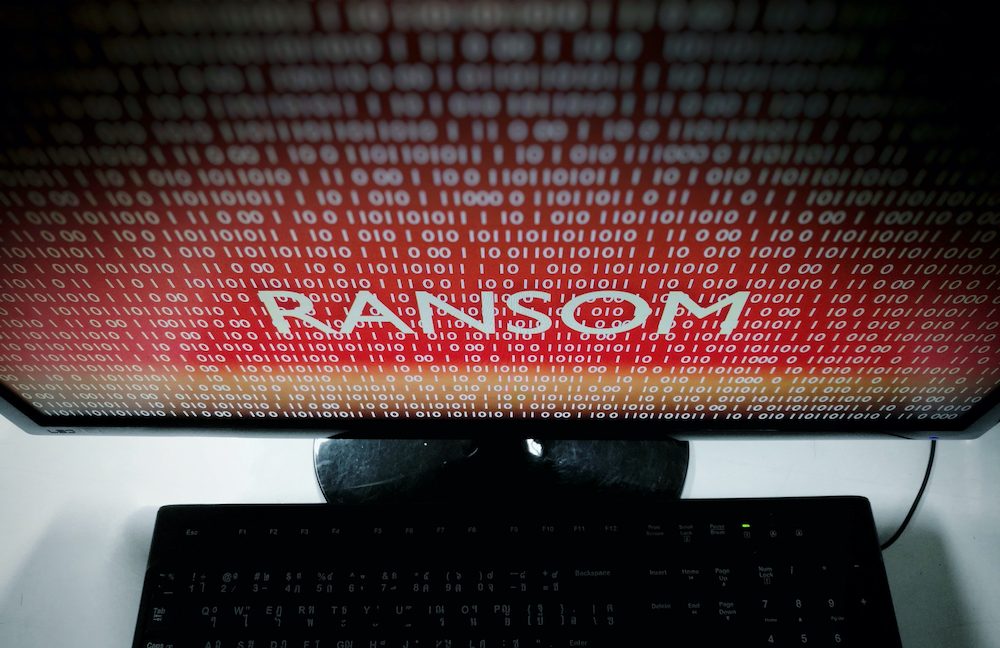
A surge in ransomware attacks is presenting victims with challenging choices, as governments consider banning ransom payments. The increasing sophistication of these cyber threats has put organizations in a difficult position, forcing them to weigh the risks of paying against the potential consequences of not paying. This dilemma is particularly acute for businesses and critical infrastructure providers who are prime targets for these attacks. The debate around banning ransom payments stems from the desire to disrupt the financial incentives for cybercriminals. However, opponents argue that such bans could leave victims with fewer options, potentially leading to greater data loss or operational disruption. The evolving landscape of cybercrime necessitates a comprehensive strategy that addresses both the technical vulnerabilities exploited by attackers and the economic factors that fuel the ransomware industry. As these threats continue to grow, policymakers and security experts are grappling with how best to protect individuals and organizations.
The escalating ransomware threat highlights a critical tension between disrupting criminal enterprises and enabling victim recovery. Governments considering bans on ransom payments face a complex trade-off: while such measures could starve attackers of funds, they might also remove a potential avenue for victims to regain access to essential data and systems, potentially exacerbating business disruption and data loss. This situation underscores the need for robust cybersecurity infrastructure, effective incident response protocols, and international cooperation to dismantle ransomware networks. Future strategies must balance punitive measures against criminals with supportive frameworks for victims, considering the long-term implications of both paying and not paying ransoms in an increasingly digitized world.
AI-generated to prompt reflection — not editorial opinion, not advice, not a statement of fact. How this works.