Ranucci Case: Politician Accuses "Report" of Seeking Retaliation
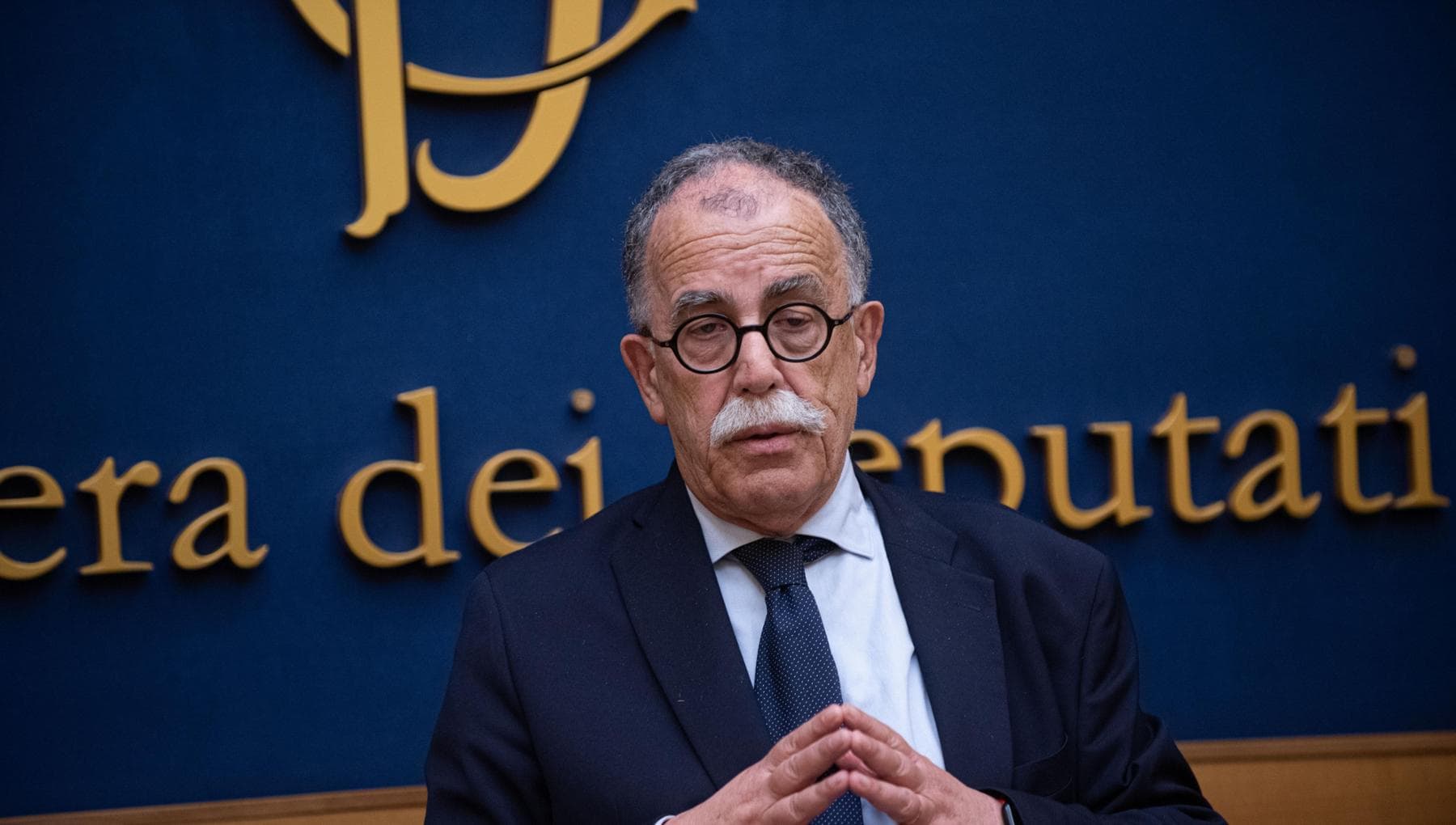
A prominent member of the Democratic Party (Pd), Marco Ruotolo, has stated that certain individuals were eager to retaliate against the investigative journalism program "Report." Ruotolo emphasized that an ongoing investigation should be allowed to proceed without speculative commentary. He also addressed the involvement of Valter Lavitola, suggesting that journalists have a responsibility to identify their sources. Ruotolo's remarks imply that the criticism directed at "Report" might be motivated by a desire for revenge rather than substantive issues. The context suggests a dispute arising from a previous "Report" investigation, potentially involving Lavitola, and that Ruotolo believes the current discourse is premature and driven by ulterior motives. He is calling for patience and adherence to the official investigative process.
This situation highlights the tension between investigative journalism and political actors who may feel targeted. The politician's assertion of a desire for "retaliation" suggests a narrative framing designed to discredit "Report" by attributing its actions to vindictive motives rather than a pursuit of public interest. The call for patience while an investigation proceeds is a common tactic to control the flow of information and manage public perception. The emphasis on journalists finding their own sources, while a fundamental journalistic principle, can also be used to deflect scrutiny from the subject of the investigation itself. Moving forward, understanding the specific findings of the ongoing investigation and the evidence presented by "Report" will be crucial in discerning the validity of these competing narratives. The incentive structures for both political figures and media outlets in such disputes often involve reputation management and the strategic deployment of information.
AI-generated to prompt reflection — not editorial opinion, not advice, not a statement of fact. How this works.