Rapper Oruam's Pre-Trial Detention Order Revoked by Rio de Janeiro Court
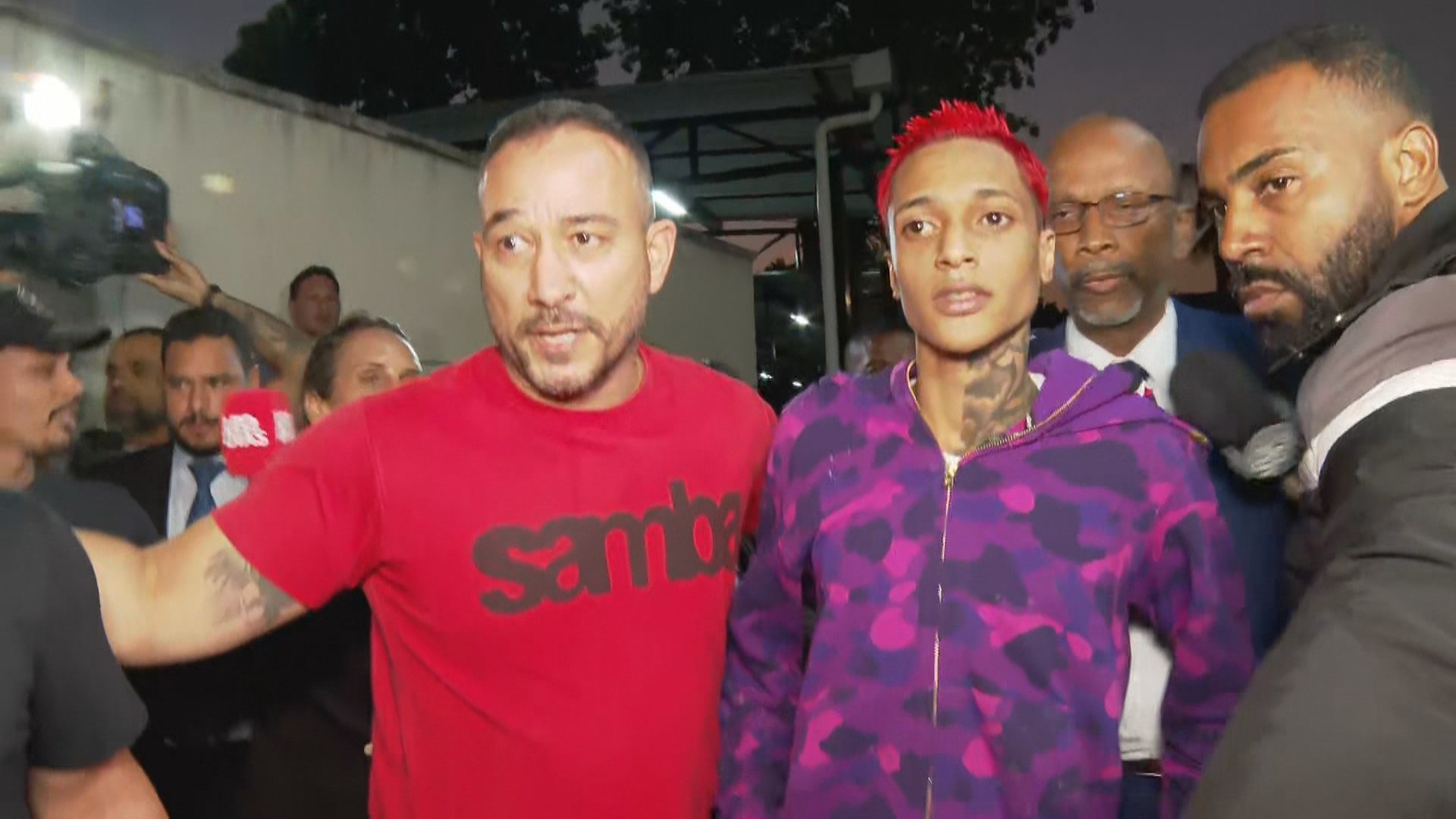
Mauro Davi dos Santos Nepomuceno, known as rapper Oruam, has had his pre-trial detention order revoked by the Rio de Janeiro Justice system. The decision was made by the 3rd Criminal Court of the Capital, within the III Jury Tribunal, concerning a case where Oruam and three others were charged with attempted murder of two civil police officers. One of the officers is delegate Moyses Santana, head of the Narcotics Repression Division (DRE). Oruam had been considered a fugitive since his preventive arrest warrant was issued. With the revocation, he is no longer considered a fugitive.
The accusation states that Oruam allegedly threw a rock at the two officers when he and his friends attempted to prevent the execution of a search and seizure warrant against a minor suspected of drug trafficking involvement. However, Judge Tula Corrêa de Mello found insufficient evidence to support the attempted murder charge or the claim that Oruam threw the 4.85 kg rock. The judge also noted that it was not proven that the artist assumed the risk of killing the officers. Following the reclassification of the charge from attempted murder, the case will be transferred to a common criminal court. Oruam still faces charges for threat, qualified damage, resistance, contempt of court, and bodily harm.
The revocation of Oruam's pre-trial detention order highlights the judicial principle of proportionality and the necessity of sufficient evidence to sustain serious charges like attempted murder. The court's assessment that the evidence did not establish intent to kill or even that Oruam threw the specific object underscores the importance of rigorous evidentiary standards in criminal proceedings. This case may prompt a review of arrest and detention protocols, particularly when individuals are accused of actions during attempts to obstruct law enforcement operations. Moving the case to a common criminal court suggests a recalibration of the legal framework governing the alleged offenses, potentially leading to different sentencing considerations and procedural pathways. The ongoing charges, however, indicate that the legal process for Oruam is far from concluded, with accountability still to be determined for the remaining accusations.
AI-generated to prompt reflection — not editorial opinion, not advice, not a statement of fact. How this works.