Rapper VT Kebradeira Released After Multiple Arrests for Assault, Drug Possession, and Vandalism
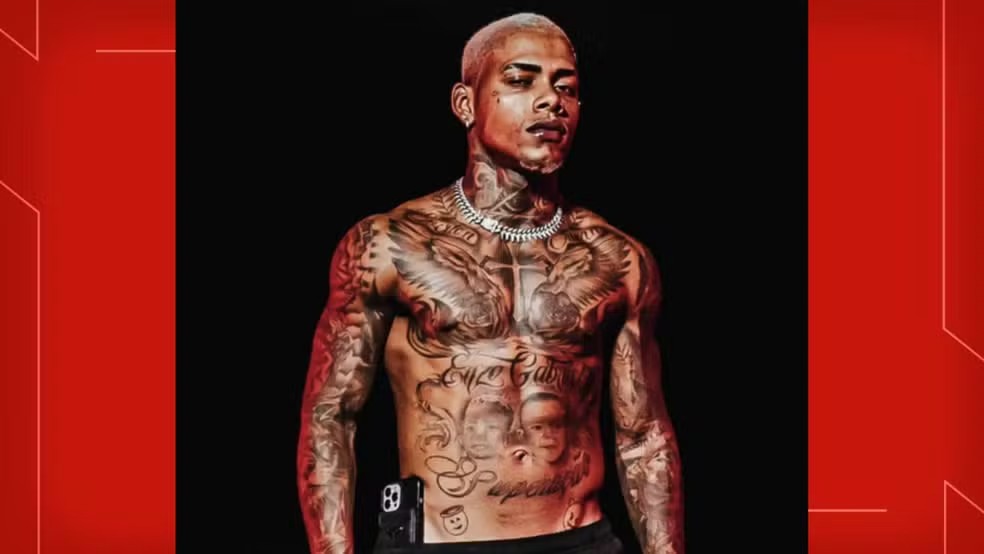
Recife-based rapper Ewerton Cláudio, 25, known as VT Kebradeira, was released on Saturday, June 1st, following a custody hearing. He had been arrested three times between Thursday, May 30th, and Friday, May 31st, for separate incidents. The artist's initial arrest on Thursday was for alleged property damage, drug possession, and resisting police. He was subsequently detained again early Friday morning by the Municipal Civil Guard in a different incident. Later that Friday, he was arrested a third time, accused of assaulting a woman, damaging a resident's motorcycle, and assaulting the owner of a convenience store after invading the establishment. The court ordered his release on the condition that he adhere to precautionary measures. According to his defense, Ewerton was taken to a specialized mental health facility after his release. His management stated he experienced a "psychotic episode," a pre-existing condition, and alleged he was assaulted by police during his first arrest, which the Military Police denied, stating force was necessary due to his resistance. The rapper received medical attention before being taken to the police station.
The series of arrests and subsequent release of VT Kebradeira highlight complex interactions between public order, mental health, and the legal system. While the rapper's defense points to a pre-existing mental health condition as a factor in his behavior, the police emphasize his resistance and the need for force. This situation underscores the challenge of balancing public safety with the rights and treatment needs of individuals experiencing mental health crises. Future approaches could focus on integrated response systems that prioritize de-escalation and immediate access to mental health services, rather than solely relying on punitive measures. This could potentially reduce recidivism and improve outcomes for both the individual and the community, while also addressing the systemic gaps in mental healthcare provision.
AI-generated to prompt reflection — not editorial opinion, not advice, not a statement of fact. How this works.